- Unit value before
- $200,000
- Unit value after
- $350,000
$150,000 per unit

From the first study to the deed in your hands, we manage the entire conversion. No upfront cost to your cooperative or its shareholders.
Today, you own shares in the corporation that owns your building. After conversion, you hold a deed to your unit and a share of the common areas.
For the building
Across the conversions we have completed, unit values have appreciated by more than $550 million.
We have arranged more than $500 million of funding.
As a condominium your building can be approved by Fannie Mae, FHA and Freddie Mac lenders.
For co-ops carrying blanket debt service and shared real estate taxes, the shared monthly charge fell by a median 57.4% across five documented conversions.*
*808 Laurel, a co-op with no blanket debt, saw no change and is excluded from the figure. Your full monthly cost also includes any individual mortgage and taxes.
For shareholders
A deed to your own unit, in your own name.
You can sell it, rent it, mortgage it and leave it to your heirs.
A unit deed can be financed where a share certificate cannot.
Brokers and buyers are more familiar with the condominium than the co-op.
One disclosed fee per unit, paid by each owner at closing. If we cannot convert your property, no one owes us anything.
No deed.
No cost.
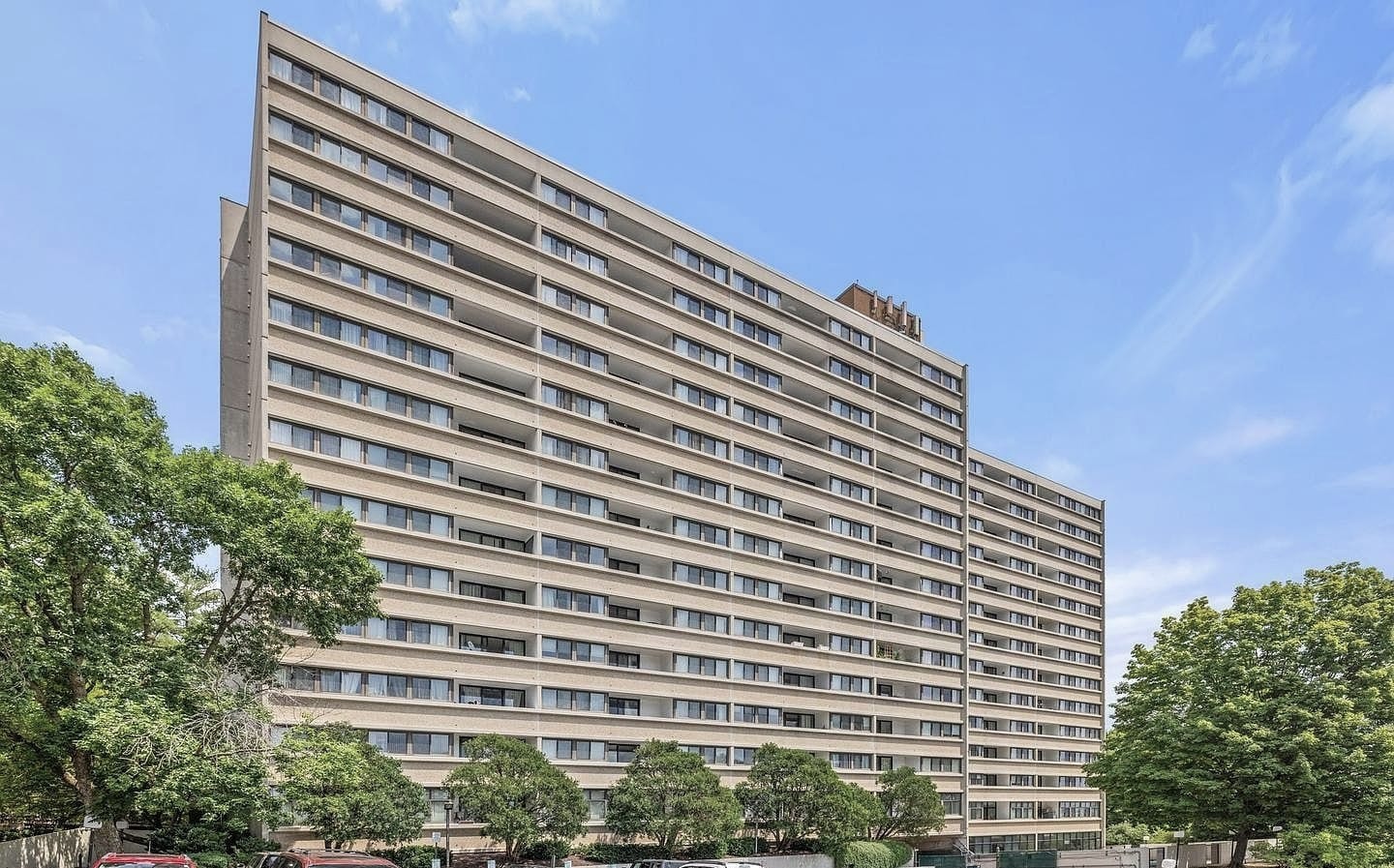
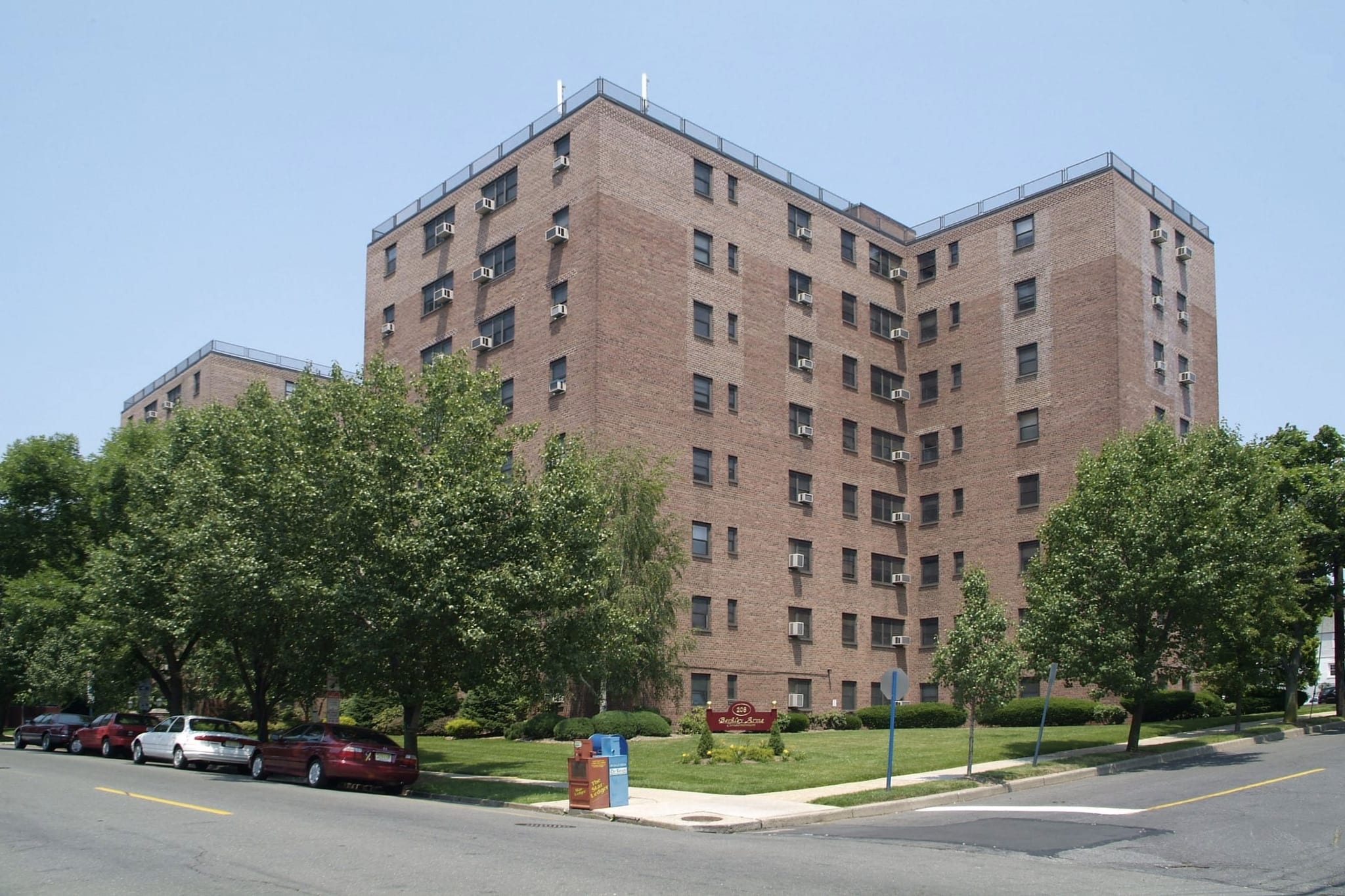
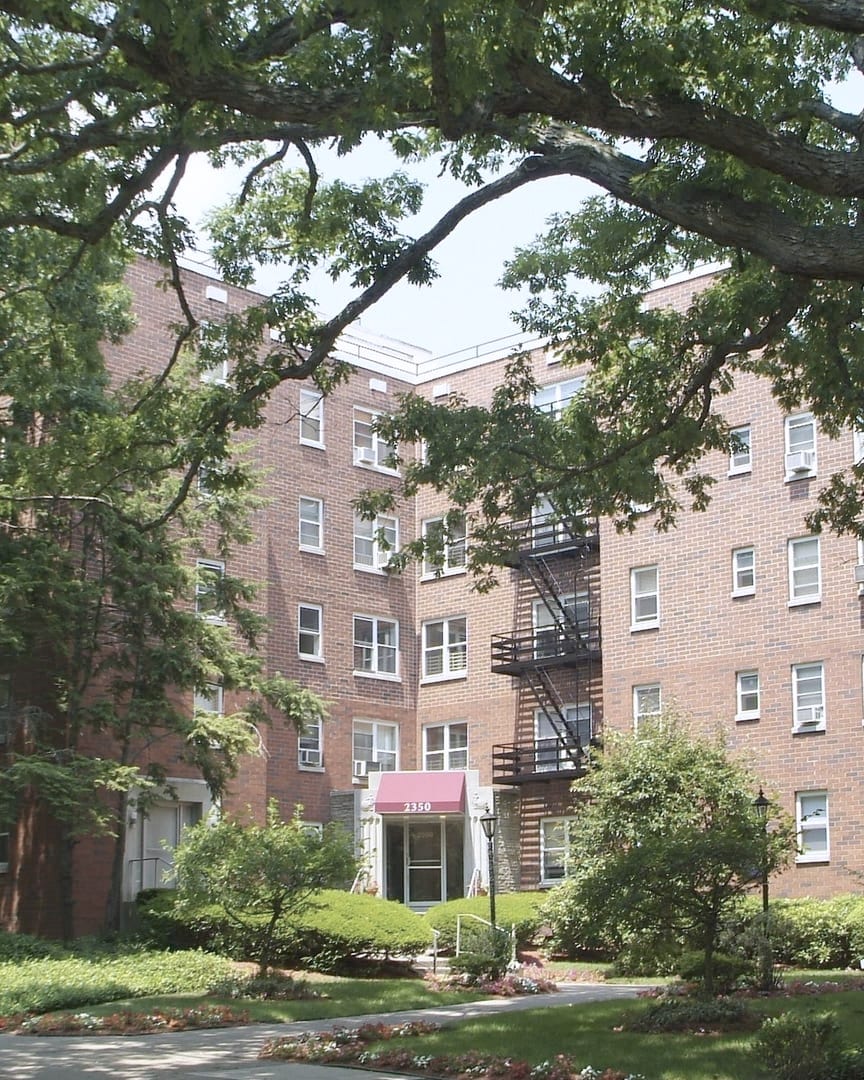
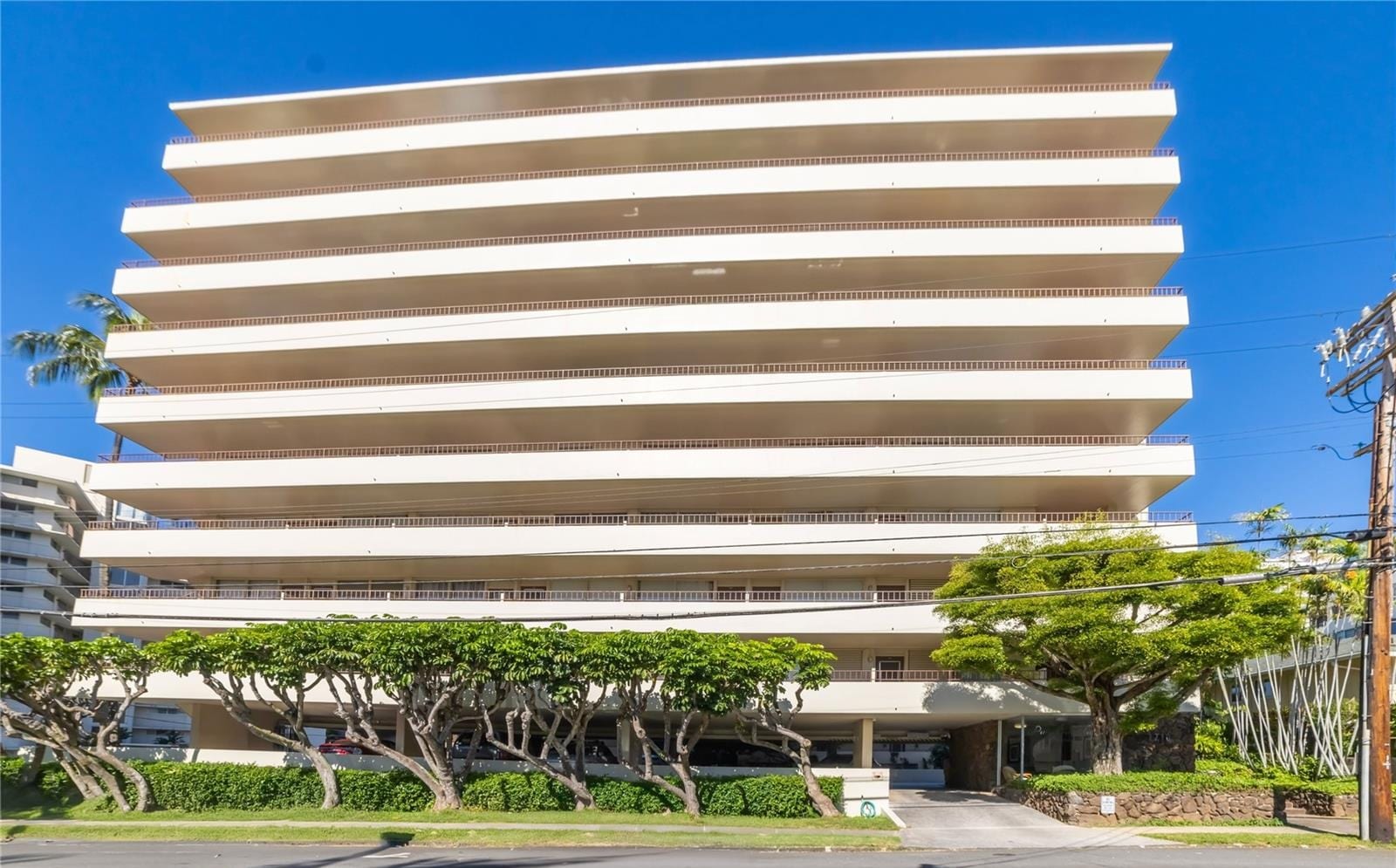
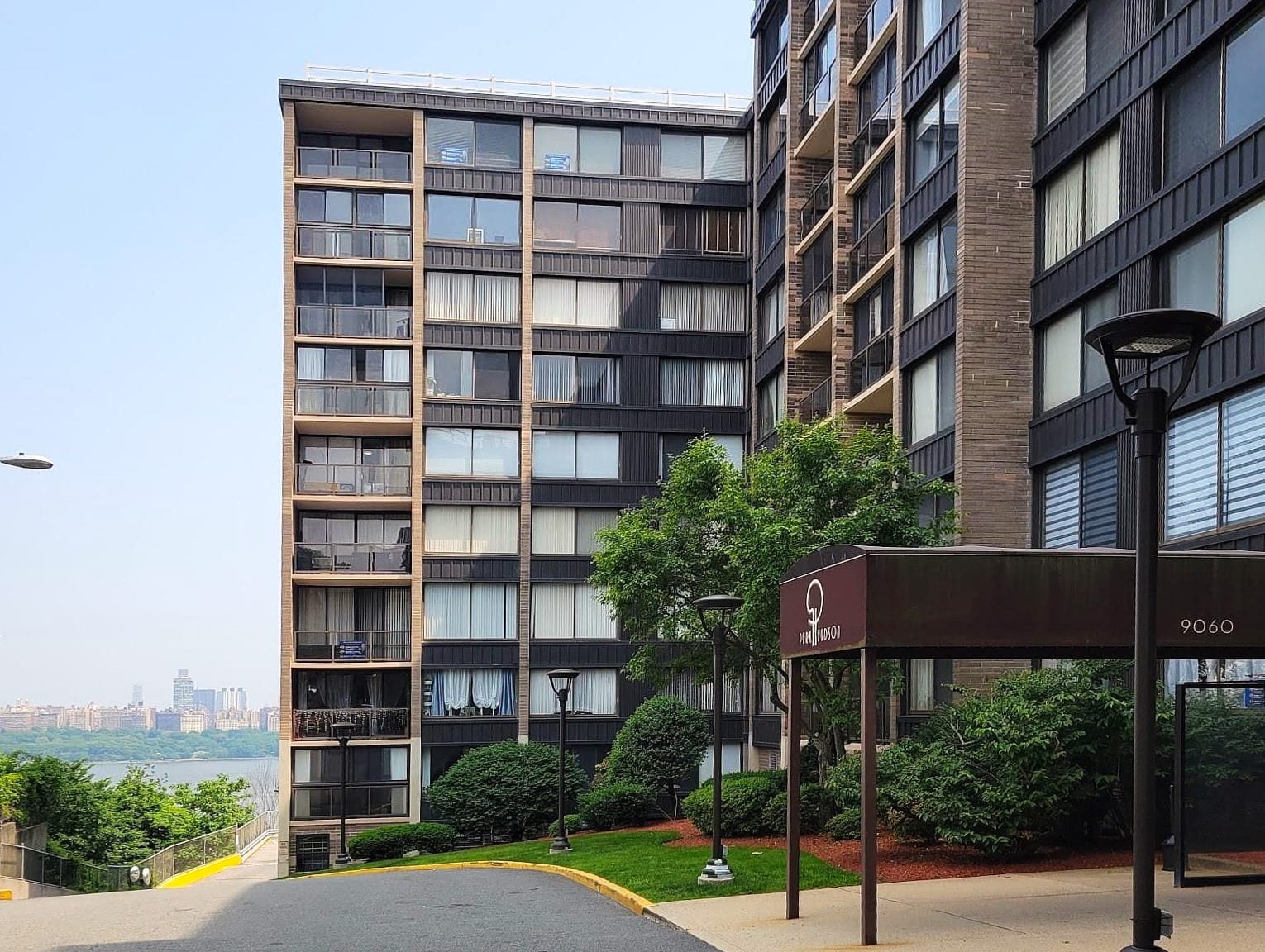
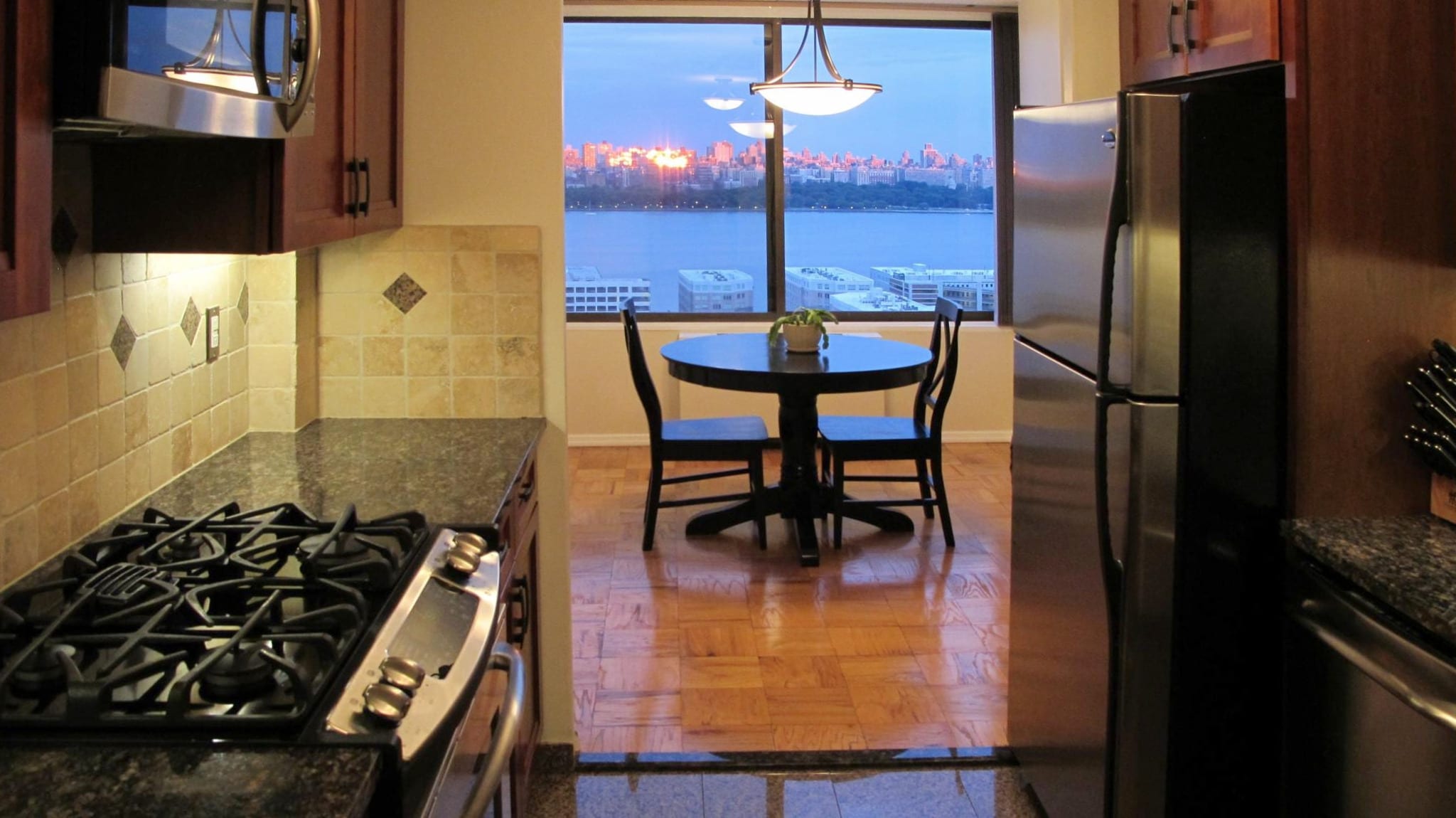
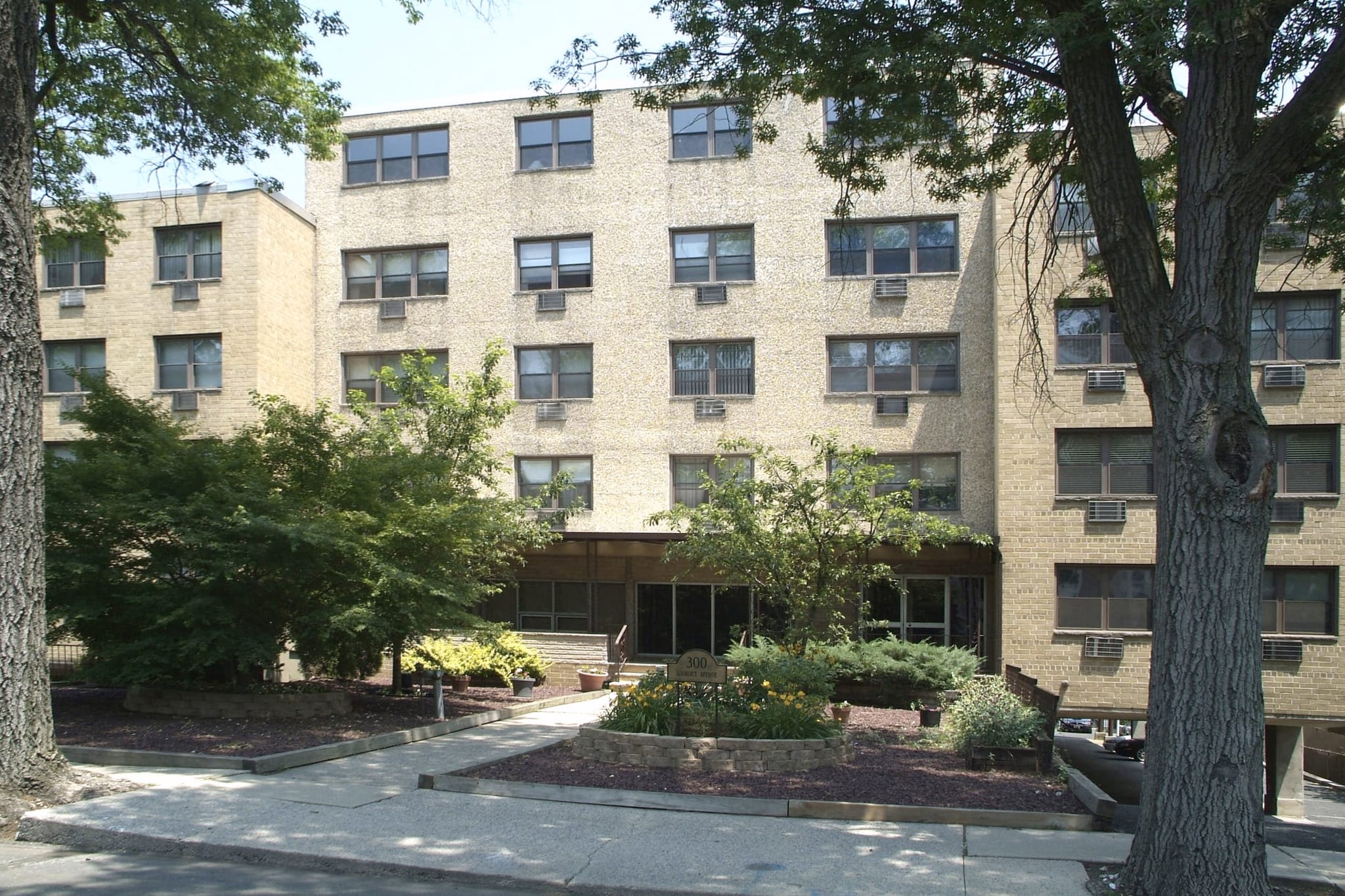
Royal Palms and Harbor Towers show the change in unit value at two completed conversions. These are historical results; outcomes vary by property.
$150,000 per unit
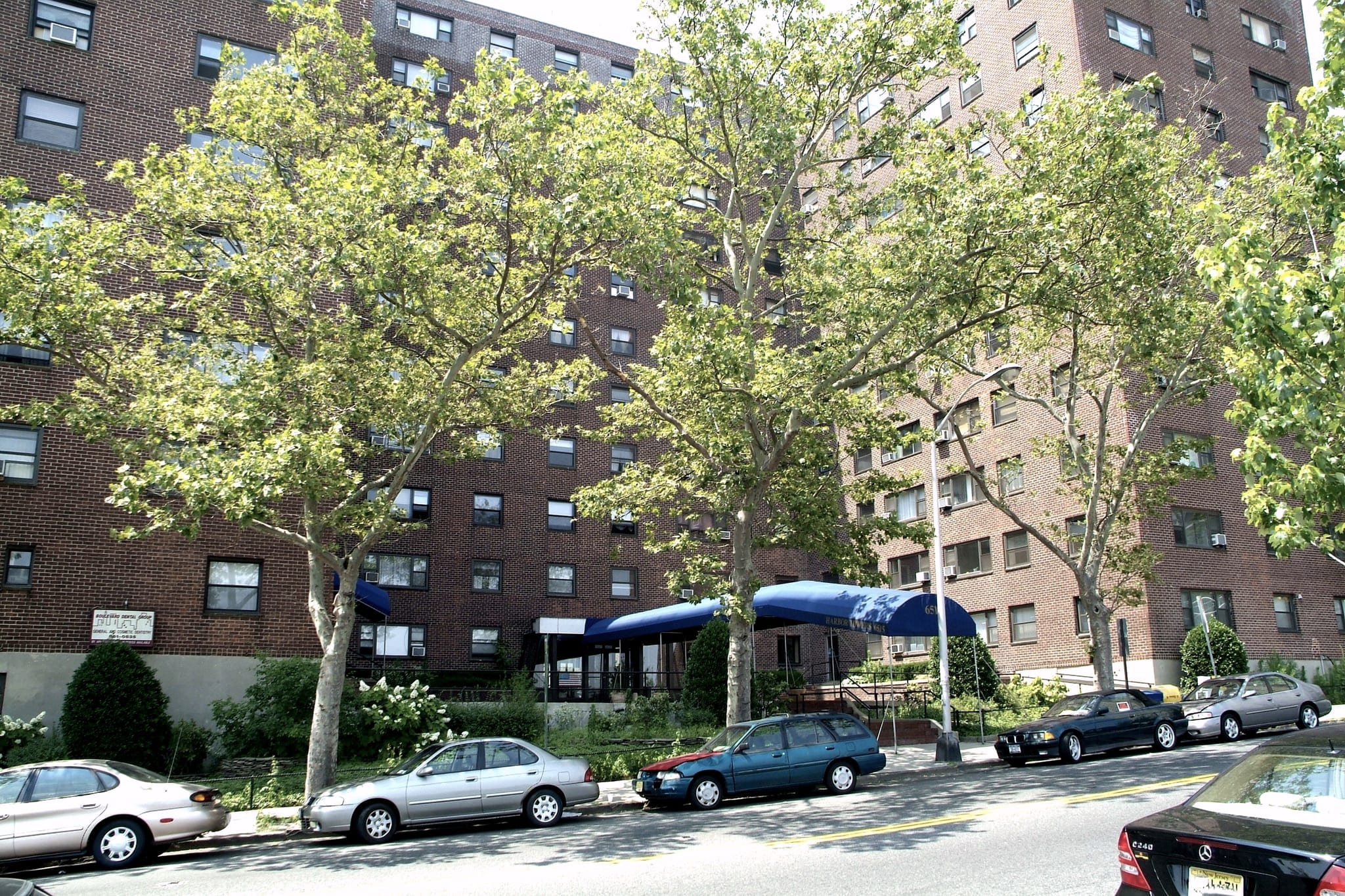
$185,000 per unit
Values per unit, from Hutton’s conversion records.
We manage the whole conversion, from beginning to end.
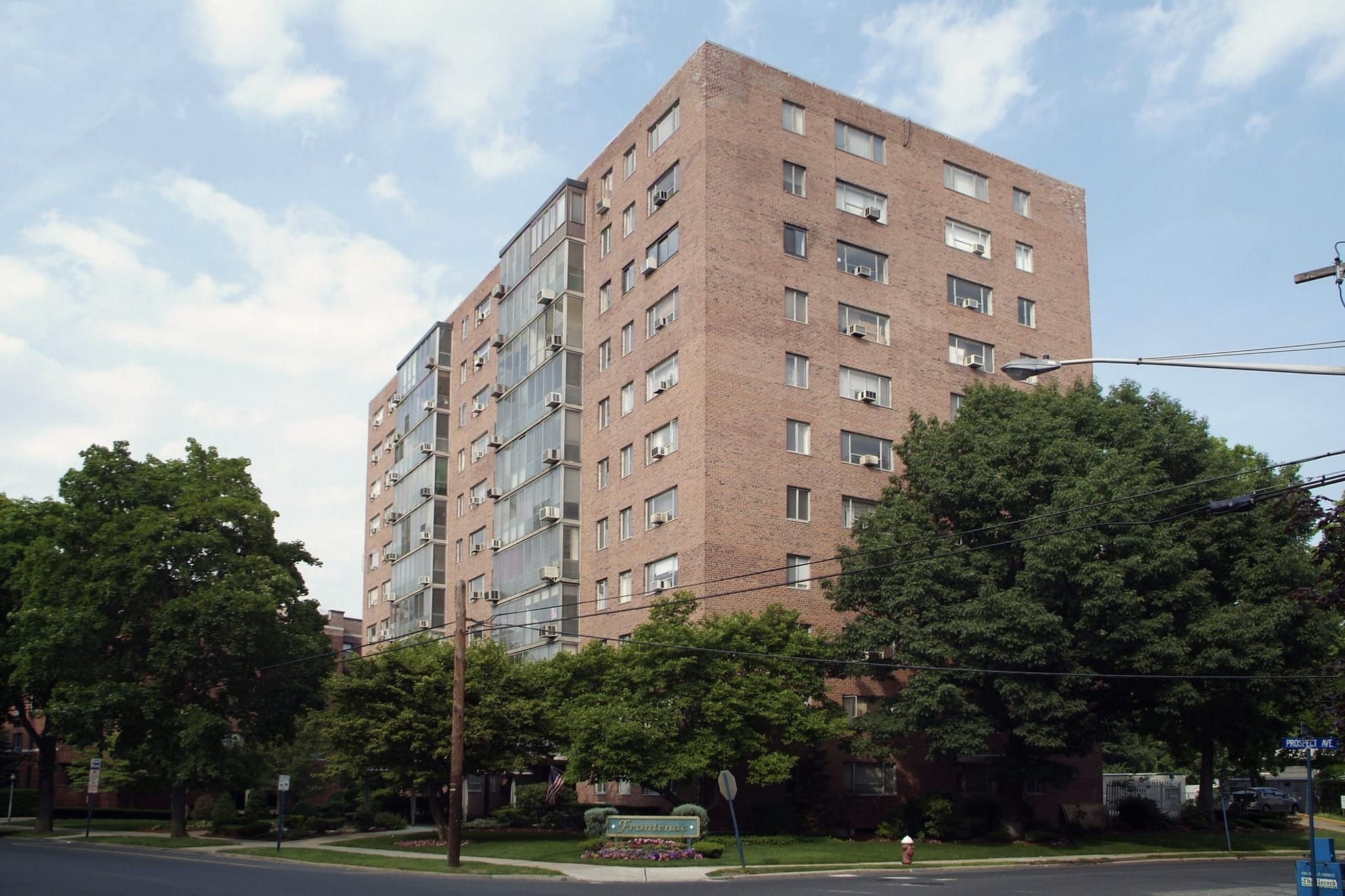
Shareholder education and the vote. The legal and financial work. Then the group closing, where deeds are delivered.
We bring shareholder education, legal work, financing coordination and administration into one engagement.
The conversion gives each shareholder a deed to their own unit. Owners may defer closing, though converting later costs more.
Before the vote, each household receives an Individual Unit Analysis of its unit’s value, monthly costs and financing options. We review it with you individually.
How it works
We appraise sample units as condominiums, review the building’s finances and check its approval requirements. At no cost or obligation.
Education and the vote, where two-thirds of the shares must approve the plan under most governing documents and an abstention counts against.
We prepare the legal documents, coordinate financing and establish the condominium association.
At the group closing, the underlying mortgage is paid off and participating owners receive their deeds. Owners who defer close later.
“I for one was skeptical of the entire process of converting from Co-op to Condo … converting to Condo was a huge success and entirely beneficial to our owners.”
“Jack Boyajian performed an absolutely excellent job. He covered, with great success, our financial needs, our legal problems with some dissenters, and led us to a painless conversion.”
“The Hutton Group are true experts in their field. … The Hutton Group saved my investment from sheer disaster and turned it into a goldmine.”
Condominium conversion lets you sell units individually, releasing equity without selling the whole building in one transaction.
The cost, the vote, the financing.
Start with the questions that matter to your building.
There is no standard rate card. We disclose one fee for your building, paid by each owner at closing when their deed is delivered. Before the vote, each household receives an Individual Unit Analysis of its costs, values and financing options.
Read the full answerYour shareholders vote on the Conversion Plan. Under most governing documents, two-thirds of the shares must approve and an abstention counts against. Your building’s documents and applicable state law determine the threshold.
Read the full answerThere is no single timetable. Your underlying mortgage, governing documents and shareholders’ readiness all affect the schedule. We examine your building’s circumstances before your board commits to converting.
Read the full answerYour share loan is addressed at closing as financing shifts to a mortgage on the unit you will own by deed. Your lender determines the terms you qualify for, and your Individual Unit Analysis sets out the financing options for your household.
Read the full answerIf we cannot convert your property, no one owes Hutton anything. Our fee is due only when the deed to your unit is delivered. There is no upfront cost to shareholders or the corporation.
Read the full answerNot every cooperative is a candidate. We appraise sample units as condominiums, review your finances and check the approval your plan requires.
The study is free and does not commit your board to converting.