
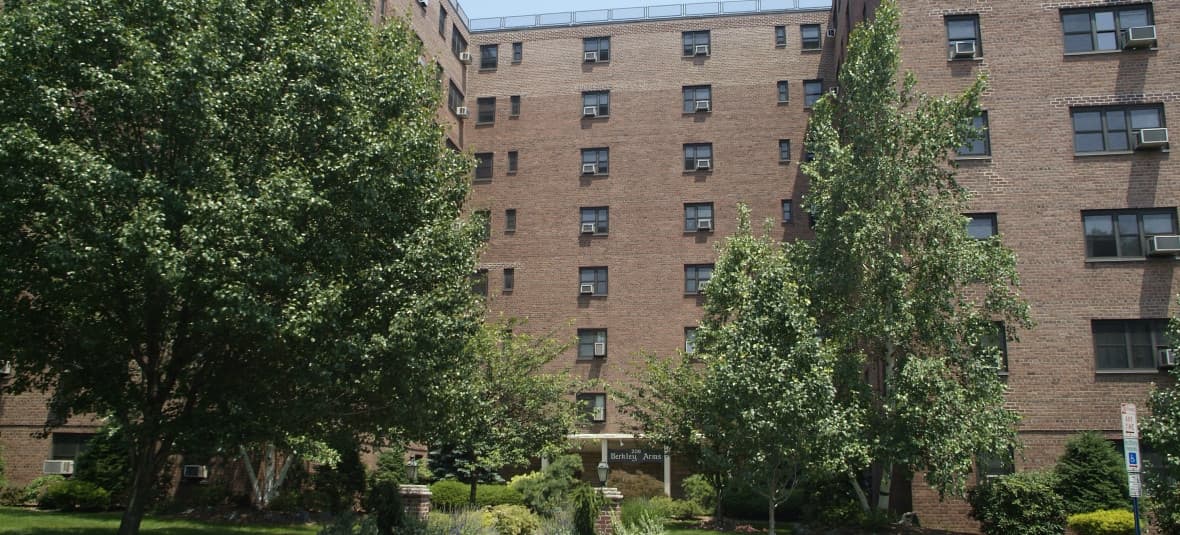
Your situation
What you own today is shares in a corporation and a proprietary lease on the unit you live in. Those shares are not real property, which is why your financing runs through co-op lending guidelines and a short list of lenders. Almost every cooperative carries one underlying mortgage for the whole building, and you pay your share of it inside your maintenance. A co-op lender lends against your shares rather than against real property, and the lenders who will do that are few. A conversion changes the form of ownership and nothing else, and you exchange your shares for a deed to the unit you already occupy. Nothing happens to your unit unless the shareholders vote for it.
What it means for you
You receive a deed to your own unit, in your own name, and you hold real property rather than shares. You can sell it, rent it, mortgage it and leave it to your heirs, which a share certificate does not let you do. Across the conversions we have completed, unit values have appreciated by more than $550 million. Reverse mortgages are very uncommon for co-op shareholders today, and we can arrange access through the conversion, often at the closing itself. The building's underlying mortgage is paid off at the conversion, and your share of it becomes a loan in your own name. The equity that is trapped in your share becomes real property, and what you do with it is your decision.
What it costs you
You pay nothing before the closing, and if the conversion does not happen you owe us nothing at all. We are paid one fixed fee per unit, by each owner at closing, and only when the deed to that unit is delivered. That fee covers every cost of the conversion: legal, architectural and engineering, title, recording, document preparation and administration. Other than normal financing and closing costs, and only where those apply, you have no other expense. Most owners finance their conversion obligation rather than pay cash, through the All-in-Plan, the Group Fund, or a lender of their own choosing.
Your vote
You vote at a special meeting of the shareholders, called as your governing documents and your state's statutes require. You receive a voting package before that meeting, with the corporate resolution and the ballot, so nobody is asked to decide in the room. We provide proxy and absentee ballots, and electronic signature where it suits the community, so a shareholder who cannot attend still counts. Under most governing documents and state statutes, two-thirds of the shares must approve the plan, and an abstention counts as a vote against. The decision is the shareholders' rather than your board's, and your own vote carries the shares that come with your unit.
If you do not want to convert, or cannot close
We have never had a conversion where someone has been forced out of their home. A shareholder who does not close with the majority of owners is what we call a deferred participant. Their share of the underlying mortgage, or of any other cooperative obligation, is funded by a new mortgage, and they receive their deed. They keep the right to sell the unit as a condominium, or to convert at a later date at a slightly higher cost. Owners who are retired or on a fixed income and need a loan can be financed too, and our primary lenders have provided those mortgages for many years.
“It is a very positive thing for the community. As a Co-op it was very difficult to sell. Units would sit on the market for months. Now, as a Condo they sell in a matter of days - if not hours. There is nothing negative to say about the results of converting.”
What happens next
Come to the meetings we hold in your building, and ask us for your own Individual Unit Analysis before you vote. Please call us at 800-259-7595, or write to info@huttonfirm.com, and we will answer your questions about your own unit.