
How the stock was built
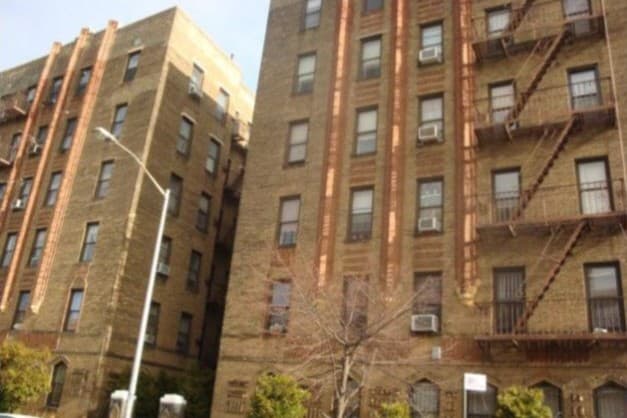
New York built a large cooperative stock with public financing.
New York's Mitchell-Lama program financed roughly 140,000 units of low and middle income housing in New York City between 1955 and 1978. Owners have been able to leave the program since 1985 by repaying the underlying mortgage, and the city has lost about 49,000 of those units that way. A December 2021 state law raised the resident approval needed for such a buyout to eighty percent and imposed a five year wait after a failed vote.
New York authorized condominium ownership by statute in the Condominium Act, codified today at Article 9-B of the Real Property Law beginning at section 339-d. Of the units in the cooperative and condominium offering plans the state Attorney General accepted in 2023, nine in ten were condominiums and one in ten cooperatives. The Rent Guidelines Board has tracked that split in its own data series since 1996. Conversions of existing rental buildings were a small part of that year's filings, at two plans and 272 units.
The stock today
Cooperative apartments outnumber condominiums and house their owners more often.
As of 2023, New York City counted 450,800 occupied cooperative apartments and 318,000 occupied condominium apartments, together just under one in four of its housing units. The Comptroller's office reported the same totals the following year, putting the two forms together at twenty two percent of the city's occupied stock. Sixty nine percent of cooperative units housed their owner in 2023, against forty percent of condominium units, so condominiums are more often held as rental property.
New York City's own effective tax rate analysis places condominiums at 0.71 percent and cooperatives at 0.84 percent, with large rental buildings higher still. On price, the Comptroller's report states that "the only segment of owner-occupied housing for sale with any significant number of available units under $400K is co-ops outside Manhattan." The Council of New York Cooperatives and Condominiums told the state Legislature in February 2026 that its members house about 180,000 households in roughly 1,900 buildings. By its own count of city data, about 390,000 cooperative households and 280,000 condominium households sit in buildings covered by the city's building emissions law. Those buildings carry compliance costs that run through 2050.
Converting in New York
A conversion runs through an offering plan filed with the Attorney General.
An owner converting a rental building, and a sponsor building a new cooperative or condominium, files an offering plan with the Attorney General's Real Estate Finance Bureau. Most conversions proceed as non-eviction plans, under which a sitting tenant may stay and the unit leaves the rental stock only when that tenant moves or buys. Since 2019, such a plan cannot take effect unless bona fide tenants in occupancy buy at least fifty one percent of the dwelling units offered. A purchase by someone who is not a tenant in occupancy does not count toward that share.
The cooperative's governing documents and the Business Corporation Law set what a shareholder vote must carry, and your counsel reads both against your own building. The tax questions a New York conversion raises, transfer taxes among them, are set out on the tax page.
Hutton in New York
Hutton's New York conversions.
Hutton has converted cooperative buildings in New York. The buildings, with the years they span, are listed in the case studies filtered to New York.
The study
A study of your building answers the questions this page cannot.
An independent appraisal of sample units as condominiums, an analysis of your governing documents, and an examination of your financial condition are what a feasibility study produces. It costs your board nothing and carries no obligation to it or to your members. Ask a Hutton representative for your free feasibility study or a follow-up call.