
Skip to content

The fee

We are paid one fee per unit, when your deed is delivered.

There is no cost or risk to your cooperative before the closing, and if we do not convert your property, no one owes us anything. That one fee covers every cost of the conversion, and each owner pays it at the closing for their own unit.

Cooperative units converted
5,000+
Value appreciation for shareholders
$550M+
Of shareholder-approved conversions completed
100%
Converting co-ops nationwide since
1992
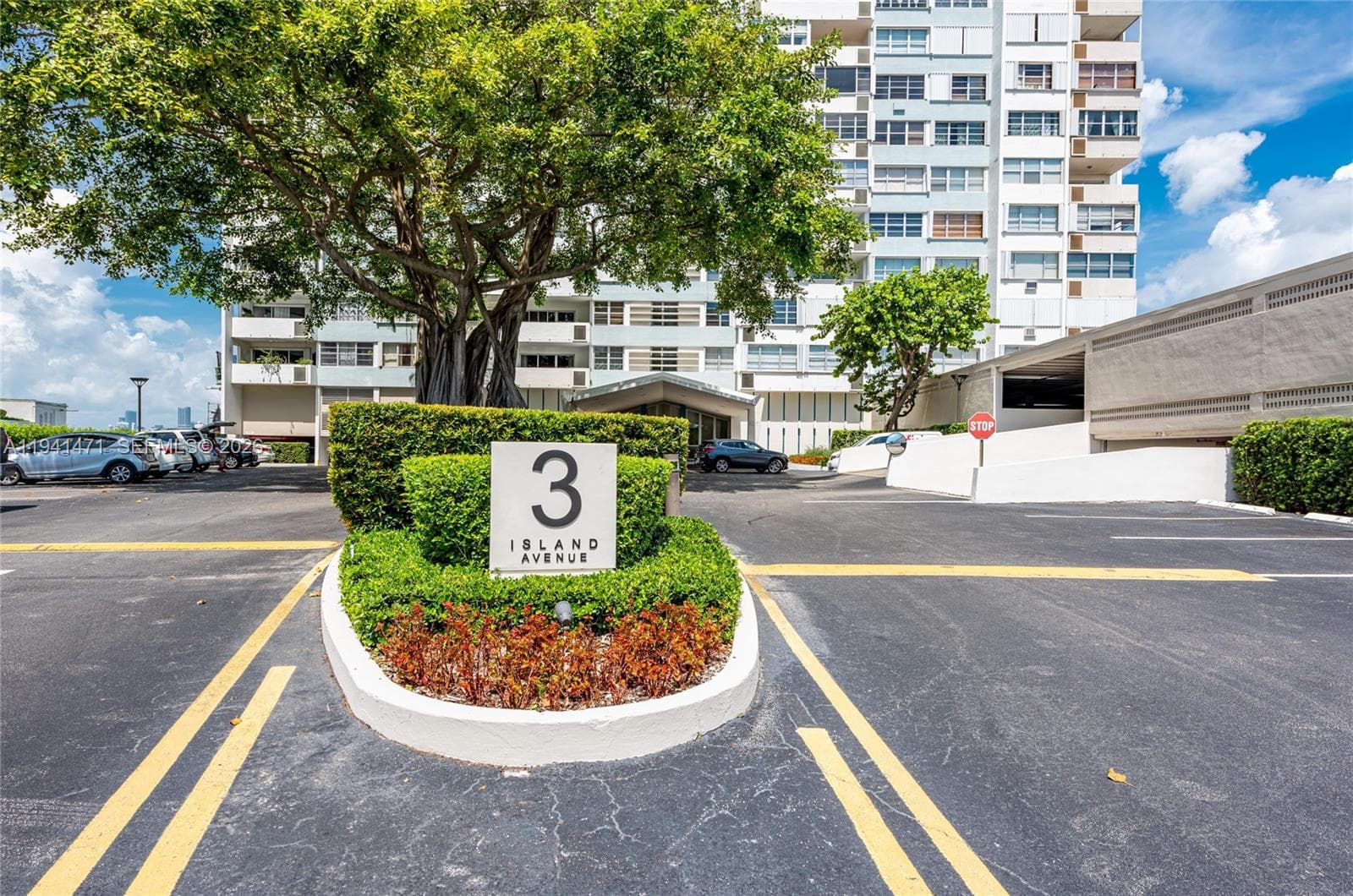
Terrace Towers, Miami Beach, FL

Converted

Terrace Towers, Miami Beach, FL

144 units

What it costs and who pays

There is no risk or cost to the corporation prior to the closing and our service fees are paid only if there is a successful conversion. We are paid one fixed fee per unit, by each owner at closing, and only when the deed to that unit is delivered. That fee covers every cost of the conversion: legal, architectural and engineering, title, recording, document preparation and administration. Other than normal financing and closing costs, and only where those apply, your shareholders have no other expense. If for any reason we are unable to convert your property, there will be no charge to the co-op or the shareholders for the services rendered.

How the fee is paid

The fee is treated as an assessment in the resolution your shareholders vote on, and they see it before they vote. It is paid at the closing, placed into escrow, and not released to us until the deeds are recorded with the county. An owner may pay their fee from their own funds, or finance it into the new mortgage on their unit. The All-in-Plan and the Group Fund are the arrangements we offer a shareholder who would rather finance the fee than pay it at the closing. Both finance the same one fee, so choosing one changes when a shareholder pays and not what they owe.

What the fee is not

It is not a retainer, and no upfront fee is ever collected from your corporation or from a single shareholder. It is not owed if your shareholders decline the plan, and it is not owed if the conversion does not complete. Services other conversion companies treat as add-on charges are inside our agreement, so extra effort does not add to what a shareholder owes. We do not publish a figure, because every fee is set for the building it belongs to and stated in the agreement your board reviews.

Questions boards and shareholders ask

Who signs the agreement, and when?

Your board signs it, and only after the study. We perform the study first, at no cost or obligation, and we present the findings to your board in person. If your cooperative is a good candidate we then offer a no-risk agreement with no up-front cost, and your board executes it. Signing it converts nothing, and what it allows is the education of your shareholders and the vote that follows. Your shareholders then approve the fee themselves, because it is treated as an assessment in the resolution they vote on. Your board holds the authority to execute and approve all final documents and plans.

What does a shareholder who cannot pay the fee at the closing do?

They finance it, and each household sees its own figures before the vote. An owner's conversion obligation is their share of the underlying mortgage and the fee, and both can be financed as a new mortgage. An existing share loan can be wrapped into that same new condominium mortgage, as can the closing costs. A shareholder who would rather not arrange that financing can use the All-in-Plan or the Group Fund, which finance the same one fee. Both are ways of paying that fee rather than alternatives to it, so choosing one changes when a shareholder pays and not what they owe. Every owner receives an Individual Unit Analysis before the vote, which sets out their own unit's costs and options.

Are the cooperative's reserves touched?

No, and nothing is collected from your shareholders before the closing to fund our work either. The cooperative corporation bears no expense for the conversion, so nothing is drawn from your reserves to pay for it. We carry the legal, architectural and engineering, title and administrative costs until the deeds are delivered. We also order and pay for the engineering study that establishes what your reserves must hold for future capital work. That study is what allows the condominium's budget to meet those costs and the building to obtain agency approval. Where a conversion is financed as a whole, replenishing the reserve fund can be one of the things that financing does.

Does the fee change if the building takes longer?

No, the fee is fixed and all-inclusive, and it is disclosed before your shareholders vote on it. We bear all the professional services the conversion requires, and we do not charge additional fees for extra services it turns out to need. A conversion that takes more work than we expected costs a shareholder no more than the fee already disclosed. There are no future charges related to the conversion other than that fee. What can change over time is an owner's own financing, which belongs to them and to their lender, and never the fee itself.

What are normal financing and closing costs?

They are the costs of an owner's own mortgage rather than costs of the conversion. A shareholder who finances their unit pays what any borrower pays a lender to make a loan, and title insurance where they elect it. Those costs belong to the owner and the lender, and they are the only expense in the conversion that is not ours. Our fee already covers the conversion's own legal work, the architectural and engineering fees, the title search, the recording and the document preparation. The closing costs of financing through the Group Fund are similar to the closing costs of financing the same obligation with a conventional mortgage. Other than those costs, and only where they apply, a shareholder has no other expense in the conversion.

What happens to the fee of a shareholder who does not close with everyone else?

It is still one fee for their unit, and it is still paid when the deed to that unit is delivered. A shareholder who does not convert with the majority during the initial group closings is what we call a deferred participant. Their share of the underlying mortgage, or of any other cooperative obligation, is funded by a new condominium or co-op mortgage. They keep the right to sell the unit as a condominium, or to convert at a later date at a slightly higher cost. That later cost is the one thing here that moves, and it moves because an owner waited and not because the building did. We strongly urge every shareholder to convert with the group, because deferring costs more later. The owner who converts with the group chooses their own lender and their own terms.

The study comes first, and the fee is in the agreement your board reviews after it.

We can begin with a feasibility study of your cooperative at no cost or obligation to your board or your members. Please call us at 800-259-7595, or write to info@huttonfirm.com, and we will send you the short list of information we need. We will then prepare your study and present the findings to your board in person.