
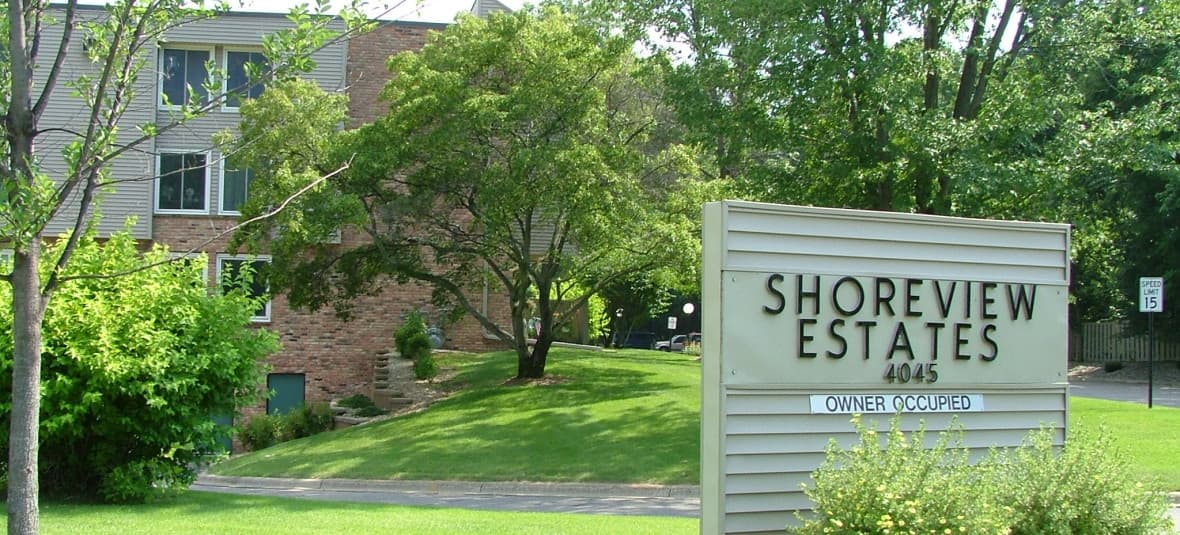
Your board's situation
Your property is a cooperative rather than a condominium because the original developer chose that structure for its own financial position. The underlying mortgage comes due, and refinancing it means borrowing again on behalf of every shareholder. Capital work and special assessments are funded the same way. When a shareholder falls behind, the corporation carries that share of the mortgage and the taxes until it is resolved. Every sale and every refinancing waits on a lender's view of the whole building, and lending options for co-ops are few. None of that is your board's doing, and serving on your board is volunteer work.
What we do
We provide the professional services required to convert your property, from beginning to end. We educate your shareholders and perform the legal, financial and administrative work. We draft the new governing documents, obtain the state and lender approvals, and arrange financing through Fannie Mae, Freddie Mac and FHA lenders. We have arranged more than $500 million of funding for the communities we have converted. We engage outside counsel to draft the condominium's governing documents, and your board reviews every draft before the vote.
What it costs and who pays
There is no cost or risk to your cooperative before the closing. We are paid one fixed fee per unit, paid by each owner at closing, and only when the deed to that unit is delivered. That fee covers every cost of the conversion: legal, architectural and engineering, title, recording, document preparation and administration. Other than normal financing and closing costs, your shareholders have no other expense. If we do not convert your property, no one owes us anything, not the corporation and not one shareholder.
How it goes
We begin with a feasibility study of your cooperative, at no cost or obligation to your board or your members. In the study we appraise sample units as condominiums, review your governing documents for the approval the plan will need, and review your finances, including the underlying loan. We present the findings to your board in person, and if your cooperative is a good candidate we offer you a no-risk agreement.
Phase One is education and the vote. We meet your shareholders in group sessions and one on one, and prepare an individual analysis for every unit. Then your shareholders vote, and the decision is theirs rather than your board's. Under most governing documents and state statutes, two-thirds of the shares must approve the plan, and an abstention counts as a vote against.
Two thirds of the shares
Phase Two builds the condominium, and its new governing documents begin by mirroring the rules you have now. We obtain the state and local approvals, file the Fannie Mae application, and arrange each owner's financing. Phase Three is the group closing, where deeds are delivered, and the closings that follow for owners who defer.
Every conversion that shareholders have approved, we have completed. Your board members can remain on the board of the condominium, and your rules and regulations can carry over. Your managing agent and your employees remain if that is the community's wish. The tax questions have been addressed in the conversion of thousands of units, and they have not been an impediment. Your own counsel and your own tax adviser belong in that question from the beginning.
“I for one was skeptical of the entire process of converting from Co-op to Condo, questioning and mostly fighting against every detail—especially the costs involved to shareholders who already were stretched to the very limit. However, I'll be the first to say that converting to Condo was a huge success and entirely beneficial to our owners.”
What happens next
Please call us at 800-259-7595, or write to info@huttonfirm.com, to get started. We will send you the short list of information we need, and present the completed study to your board in person.
Questions boards ask
What happens if our shareholders vote no?
We absorb it, and your cooperative owes us nothing. Our fee is paid only if there is a successful conversion, so a plan your shareholders do not approve costs the co-op nothing. That covers the legal, engineering, title and administrative costs. Most of the work sits before the vote, and we ask your board to give every shareholder an easy and fair way to cast one.
Are we taking anything on by having you study the building?
Not financially. The feasibility study is performed at no cost or obligation to your board or your members. The agreement we offer afterwards is intentionally free of any up-front cost or obligation. Nor is your board deciding to convert by asking the question. While your board makes the important decisions on everyday matters, the issue of converting is for the shareholders to decide. Your board's part is to review the options and bring the matter before the owners to vote on. As the elected representatives of the corporation, your board carries the responsibility to investigate it. We would ask that your own attorney review our agreement for the legal issues before your board signs it.
Does the underlying mortgage have to be paid off before we can convert?
No, not before the conversion. The underlying mortgage is retired as part of the conversion, at the closing, out of each owner's own financing rather than the corporation's funds. Every owner has the option to pay off their share of that debt, or to let the new condominium finance it for them. That ends the arrangement under which your shareholders carry the building's debt together, and one another's arrears with it. Where your loan carries a prepayment penalty, the feasibility study prices it and we tell your board plainly what it costs. We have recommended conversions where the penalty was the one real hurdle and the conversion was still the right course.
Can a shareholder refuse and stay as they are?
No shareholder holds a veto once the required shares have approved the plan, and no shareholder is put out of their home either. A shareholder who does not close with the majority of owners is treated as a deferred participant. Their share of the underlying mortgage and their conversion obligation are funded by a new mortgage on the unit, and they receive their deed. They keep the right to sell the unit as a condominium, or to convert at a later date at a slightly higher cost. Hutton has never had a conversion where someone has been forced out of their home. What waiting costs a shareholder is the choice. The owner who converts with the building picks their own lender and their own terms. The owner who waits inherits the arrangement the building had to make on their behalf.
How is the vote actually taken, and who counts it?
At a special meeting of the shareholders, called as your governing documents and your state's statutes require, where the shares are counted. Your shareholders receive a voting package before that meeting, with the corporate resolution and the ballot, so nobody is asked to decide in the room. We provide proxy and absentee ballots, and electronic signature where it suits the community, so a shareholder who cannot attend still counts. Some communities would rather the managing agent and anyone in-house did not serve as inspector of elections. Your board can outsource that work to a neutral, professional company that does nothing else.
What does our own attorney do in this?
Your attorney reviews our agreement before your board signs it, for the legal issues, since it contains no up-front cost or obligation to negotiate. The corporate resolution, and any amendment your certificate of incorporation or bylaws needs, goes to your shareholders in their voting package before they vote. The new condominium's governing documents are drafted by outside counsel we engage. We mark the passages where your board has discretion, and your board reviews and redrafts them as often as necessary before adopting a final version. Where a board's counsel has written to us with objections, we have answered them paragraph by paragraph, in writing.