
Higher unit values.
Across the conversions we have completed, unit values have appreciated by more than $550 million.
Brokers and buyers are more familiar with the condominium than the co-op, because the market accepts that form more readily.
Why convert
As a cooperative you own shares in a corporation, and as a condominium you hold a deed to your own unit. Co-ops convert because that one change reaches unit values, the funds a building can raise and the lenders who will lend.
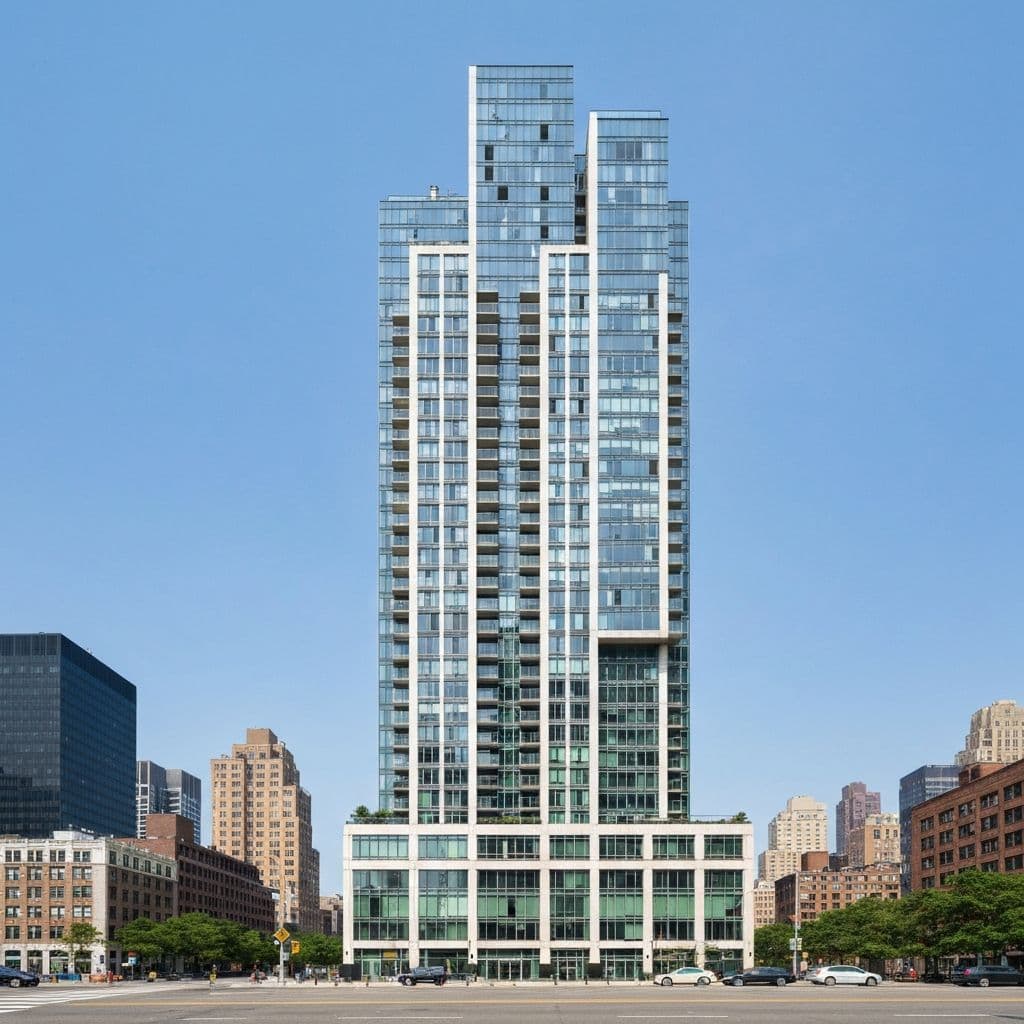
Co-ops explore the conversion option as a way to increase shareholder property values, create new funds for building improvements and improve financing opportunities for current and future owners.
Across the conversions we have completed, unit values have appreciated by more than $550 million.
Brokers and buyers are more familiar with the condominium than the co-op, because the market accepts that form more readily.
We have arranged more than $500 million of funding for the communities we converted, which paid off underlying mortgages and funded improvements and reserves.
Your underlying mortgage has to be paid off to convert, and refinancing it as a co-op means borrowing again for everyone.
As a condominium your building can be approved by Fannie Mae, FHA and Freddie Mac lenders, where a co-op's options are few.
That reaches you, your buyers and your heirs, because a unit deed can be financed where a share certificate cannot.
You receive a deed to your own unit, in your own name, and you hold real property rather than shares.
You can sell it, rent it, mortgage it and leave it to your heirs, which a share certificate does not let you do.
Reverse mortgages are very uncommon for co-op shareholders today, and we can arrange access through the conversion, often at the closing itself.
The equity that is trapped in your share becomes real property, and what you do with it is your decision.
We have never had a conversion where someone has been forced out of their home.
If you serve on your board, read our letter to boards, and if you own a unit, read what we wrote for shareholders.
From the street you cannot tell a cooperative from a condominium, and the whole difference sits in the document each owner holds.
| Co-op | Condominium | |
|---|---|---|
| Ownership | Co-opShares in a corporation and a proprietary lease on your unit | CondominiumA deed to your unit and a share of the common areas |
| The mortgage | Co-opOne underlying mortgage for the building, paid through your maintenance | CondominiumYour own mortgage on your own unit, or none if you pay your share in cash |
| Lenders | Co-opFew lenders, and co-op financing guidelines are enforced | CondominiumFannie Mae, Freddie Mac and FHA lenders can finance a unit |
| Selling and renting | Co-opUsually limited by the corporation's own restrictive regulations | CondominiumSell, rent, mortgage or leave the unit to your heirs |
| The board and rules | Co-opYour board, your managing agent and your rules and regulations | CondominiumThe same board, agent and rules can all carry over |
| Taxes | Co-opThe corporation is billed, and your share sits in your maintenance | CondominiumYou receive and pay the tax bill for your own unit |
The study
We can begin with a feasibility study of your cooperative at no cost or obligation to your board or your members. In it we appraise sample units as condominiums, check the approval your plan will need, and review your finances, including the underlying loan. Please call us at 800-259-7595, or write to info@huttonfirm.com, and we will send you the short list of information we need. If for any reason we are unable to convert your property, there will be no charge to the co-op or the shareholders for the services rendered.