
Case Studies · New York

Co-op to Condo Conversion in New York

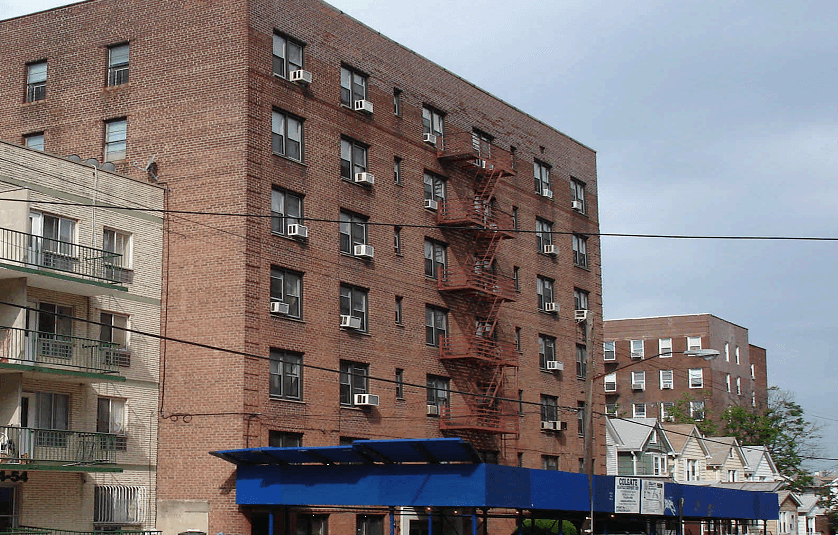
New York's conversion market went quiet for the better part of six years after a 2019 rule change made most deals impossible to finish, and only recently started moving again. Hutton closed the first NYC co-op-to-condo conversion in over a decade at 82-04 Lefferts Blvd in Kew Gardens, Queens.

5

Completed conversions

199

Units converted

3

Documented case studies below

12

States with completed conversions nationwide

Delmar Condominiums residential property in Queens, NY

Last reviewed: September 6, 2026

How many conversions has Hutton completed in New York?

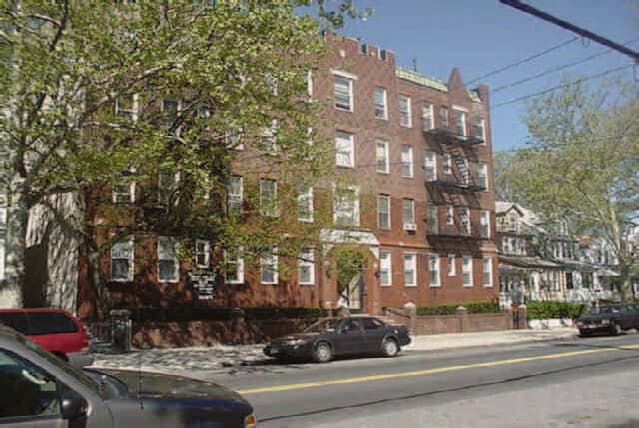
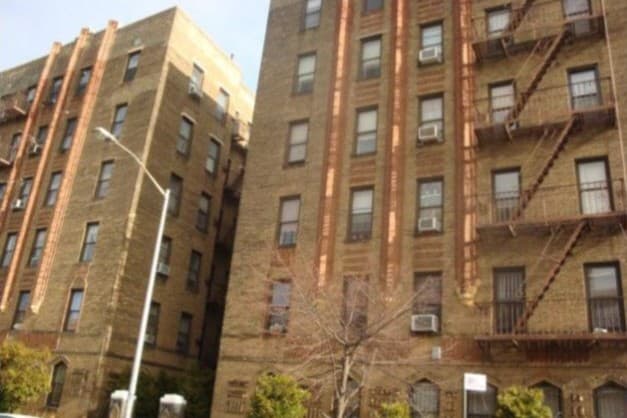
Five, totaling 199 units, all in Queens (four deals) and Brooklyn (one). 1543 West 1st Condominium in Brooklyn, 59 units, closed 2011, carries one of only two testimonials currently published on our site: board member Roman Rozenberg. In Queens, we've closed 109-18 Lefferts Condominium (24 units, 2007), Delmar Condominiums in Rego Park (36 units, 2007), a Richmond Hill building (40 units), and, most recently, 82-04 Lefferts Blvd in Kew Gardens (roughly 40 units, 2025), where the co-op was carrying an accumulated operating deficit of more than $2.3 million and an underlying mortgage that matured in December 2019; the plan sold commercial retail space and one residential unit to pay off the mortgage and fund the conversion, and shareholders approved it at 87% of shares voting.
Why did New York's conversion market freeze in the first place?

A 2019 tenant-protection law (HSTPA) raised the threshold for converting an occupied rental building to 51% tenant or purchaser buy-in before an offering plan could take effect, a bar high enough that the market effectively stopped for six years. That rule is specific to rental-to-condo conversions of occupied buildings. It's a different mechanism from the shareholder vote that governs an existing co-op converting to condo, which is what four of our five New York deals actually are.

What does a New York deal look like at Hutton's scale?

Building-by-building. Delmar Condominiums in Rego Park (36 units) and 109-18 Lefferts in Kew Gardens (24 units) are both closer in size to a single apartment building than a large complex, characteristic of the New York building stock in the neighborhoods we've worked in. We size the feasibility work and timeline to match your building's actual scale.

What does a New York offering plan filing actually involve?

Every New York conversion offering plan files with the state Attorney General's office, whether the building is in Queens, Brooklyn, or anywhere else in the state. The filing has to accurately describe the building, the vote result, and the terms shareholders are converting under, and the Attorney General's office reviews it before it can take effect. That review timeline is one of the variables we build into the schedule we give a board, alongside the mortgage and shareholder-education factors that affect every conversion regardless of state.

Where in New York has Hutton worked

Queens is our deepest New York market

Four deals, 140 units, spanning Rego Park, Richmond Hill, and two buildings in Kew Gardens. Brooklyn has one: 1543 West 1st, 59 units.

Track record on this topic

5 completed New York conversions, 199 units, including the first NYC co-op-to-condo conversion in over a decade. Jack Boyajian, Hutton’s President, has led Hutton’s conversion practice since 1992 and has converted more than 7,500 units across his career. If your board wants to know whether the 2025 law changes actually touch your building, ask us directly. A feasibility study costs nothing to start.

See also: Queens · Brooklyn · How long does conversion take?

Ready to talk specifics?

Find out whether conversion works for your building right now

A feasibility study gives your board a real, deal-specific answer, at no cost to start.