How many conversions has Hutton completed in New Jersey?
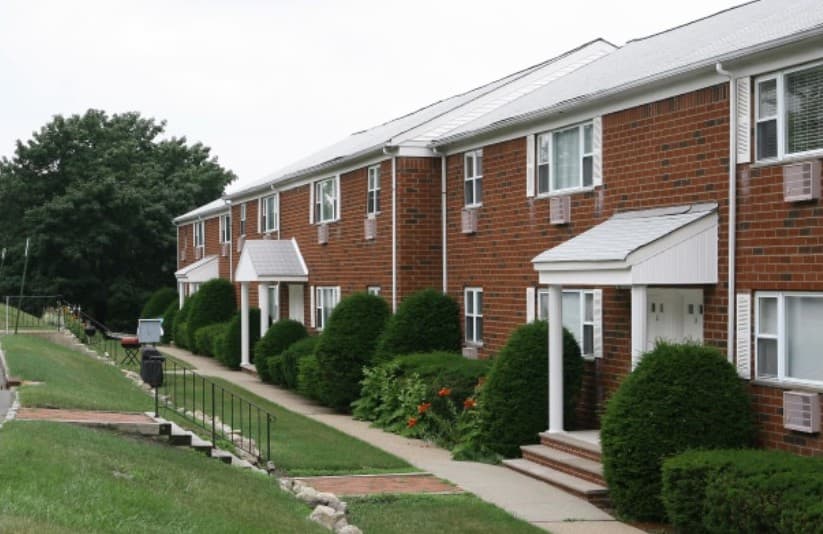
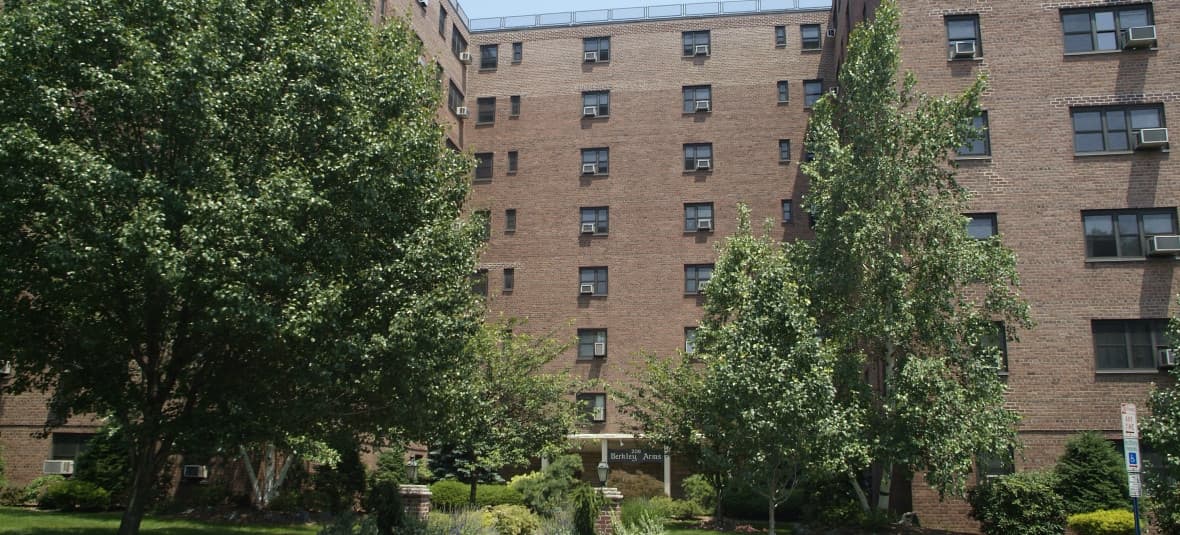
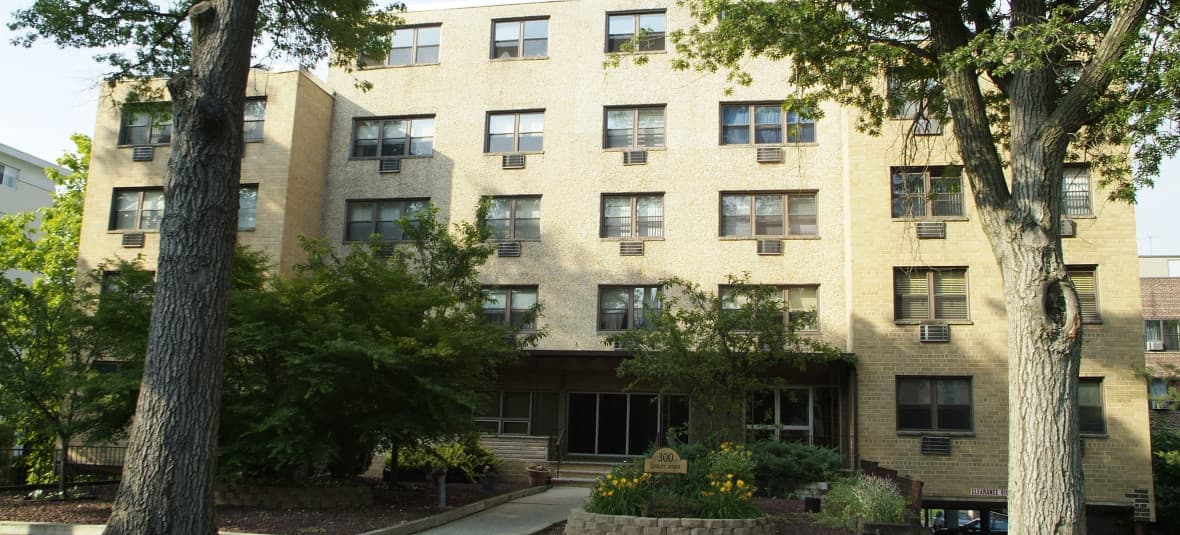
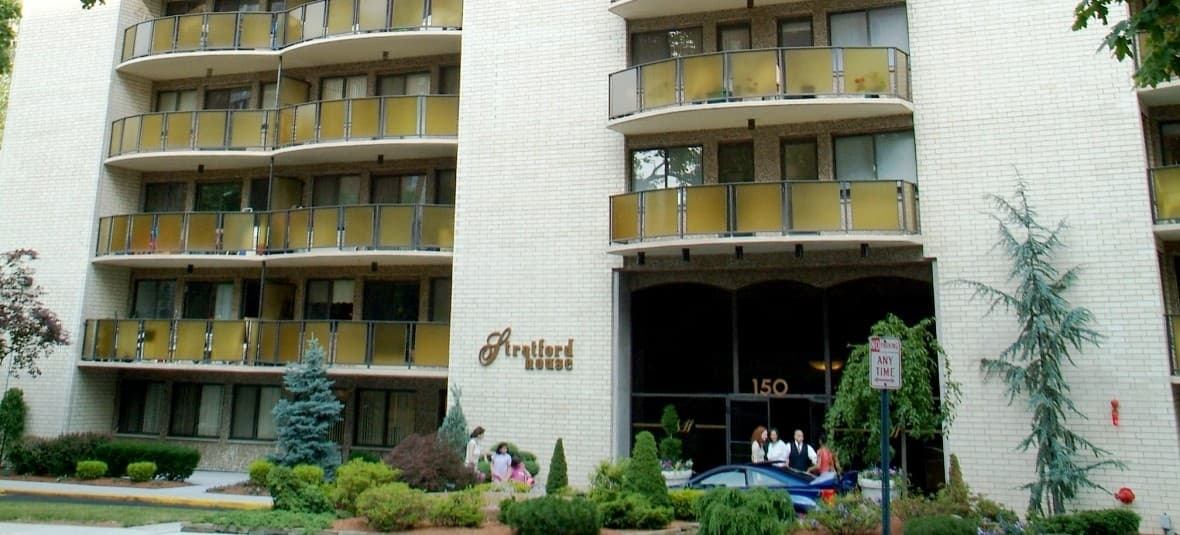
Thirteen, totaling 2,020 units. Five are in Hackensack alone: Berkley Arms, Hamilton Arms, Marilyn Manor, Stratford House, and Frontenac, making it the single deepest city in Hutton's portfolio. The rest run from Fort Lee (Bella Vista, Imperial House) to Morris Plains (Cedarbrook, and our largest conversion anywhere, the 702-unit Mountain Club) to West New York, North Bergen, Edison, and Edgewater.
What's the biggest conversion Hutton has done?
Mountain Club, in Morris Plains: 702 units, closed 2005. It's the largest conversion in our history, and one of the most complex. The building carried a multi-million-dollar underlying mortgage that had to be paid off as part of the conversion, bridged by a series of conversion notes Hutton arranged. When a group of shareholders relying on reverse mortgages needed help getting to closing, Hutton stepped in directly as a lender to bridge the gap for them, keeping the building's own timeline intact.
Are there restrictions on converting in Hudson County?
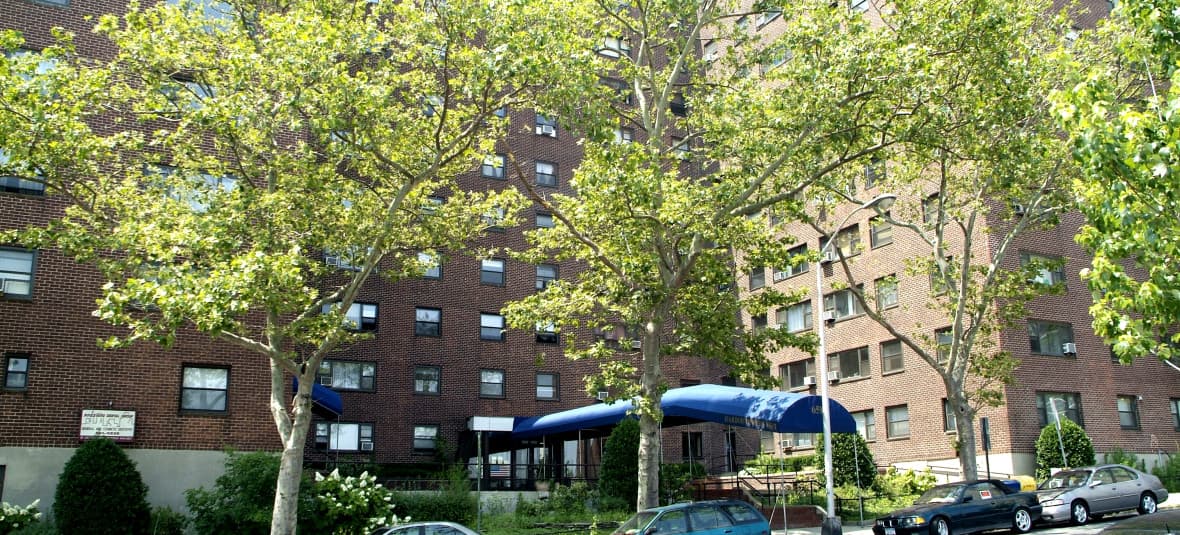
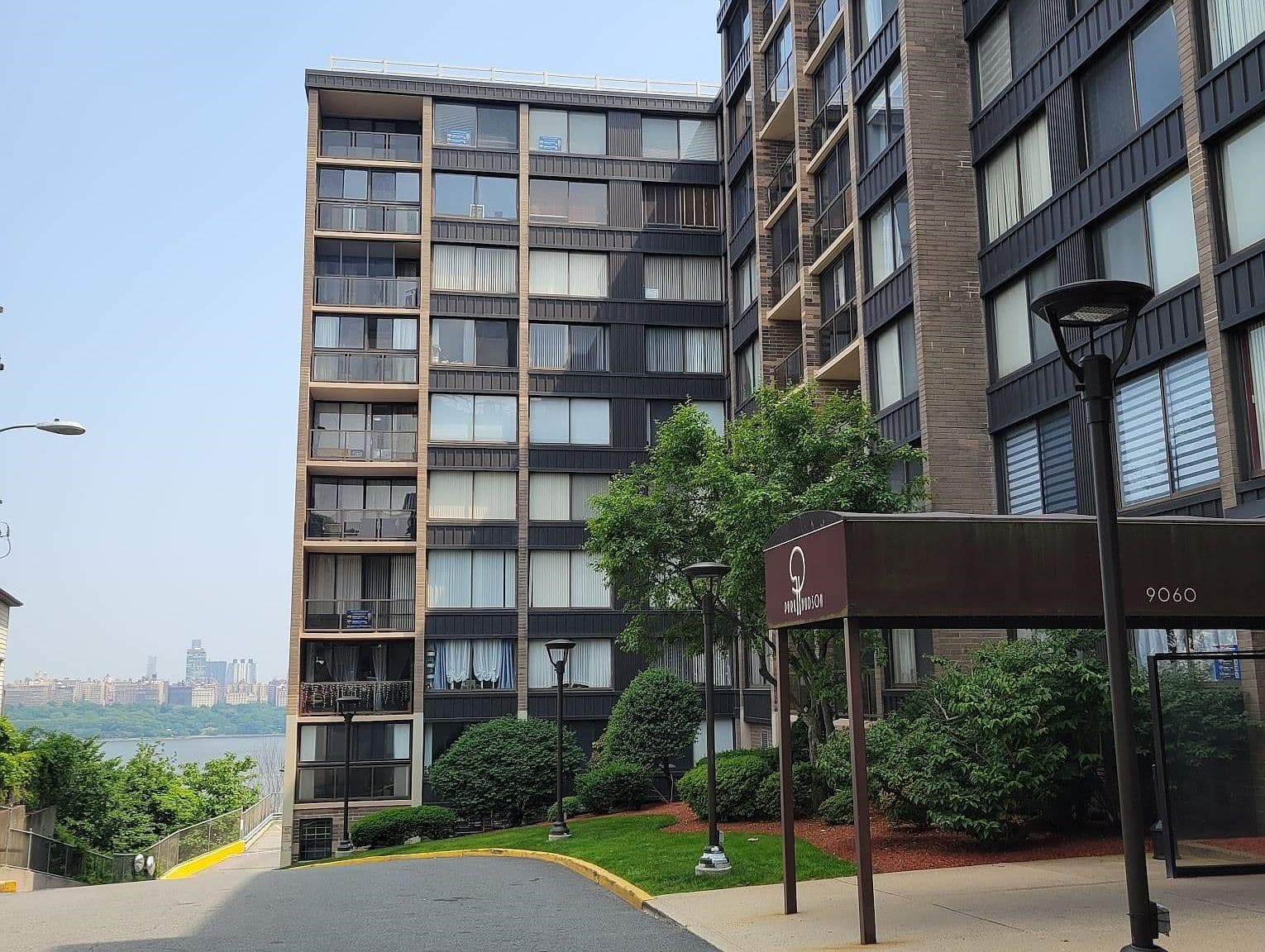
Yes, for a specific category of building. Since 2020, New Jersey law (P.L. 2020, c.40, amending the Tenant Protection Act of 1992) has let qualifying Hudson County municipalities, those with both a rent control ordinance and sufficient population density, adopt local ordinances banning the conversion of rent-controlled rental units to condo or co-op form. That's a real, checkable restriction if your building sits in Union City, West New York, North Bergen, Weehawken, Jersey City, or another Hudson County town and carries a rent-control or affordable-housing designation. Two of our own completed deals, Harbor Towers in West New York (closed 2001) and Park Hudson in North Bergen (closed 2009), are in Hudson County. Both closed years before this law existed, so it could not have applied to either one. If your building is in Hudson County, we check this for you as part of the feasibility study, before you commit to anything. That is the fastest way to find out whether conversion is open to your building, and it costs you nothing to ask.
Under legal review. This building’s statutory characterization (P.L. 2020, c.40’s actual “qualified municipality” density test, rather than a Hudson County carve-out, and the statute’s §4(d) null-and-void consequence) has not yet been confirmed by counsel. The passage above is published as drafted pending that review.
What does a real New Jersey conversion vote look like?
Park Hudson Condominiums, 216 units in North Bergen, passed its conversion vote in July 2008 at 74.1% in favor, well above the common two-thirds floor. Frontenac's board president summed up the appeal after closing: "Your no-risk, no-upfront-fee program is reason enough..."
Why does Hutton work New Jersey more than any other state?
New Jersey is where the firm started in 1992, and three decades of Bergen County and Hudson waterfront work means we already know the municipal processes, the common building types, and often the buildings themselves before a board calls us. That depth shows up in how a New Jersey feasibility study moves: less time spent learning your town's approval process, more time spent on your building's actual numbers.
What does a New Jersey feasibility study actually check?
Your building's governing documents and vote threshold, the status of any underlying mortgage, whether your municipality sits in Hudson County and carries an affordable-housing designation, and the specific PRED filing requirements for your building type. New Jersey conversions run through the state's Planned Real Estate Development Full Disclosure Act program regardless of city, so the filing mechanics are consistent even when the buildings themselves vary widely, from a 23-unit Hackensack building to the 702-unit Mountain Club.
What other New Jersey buildings has Hutton converted?
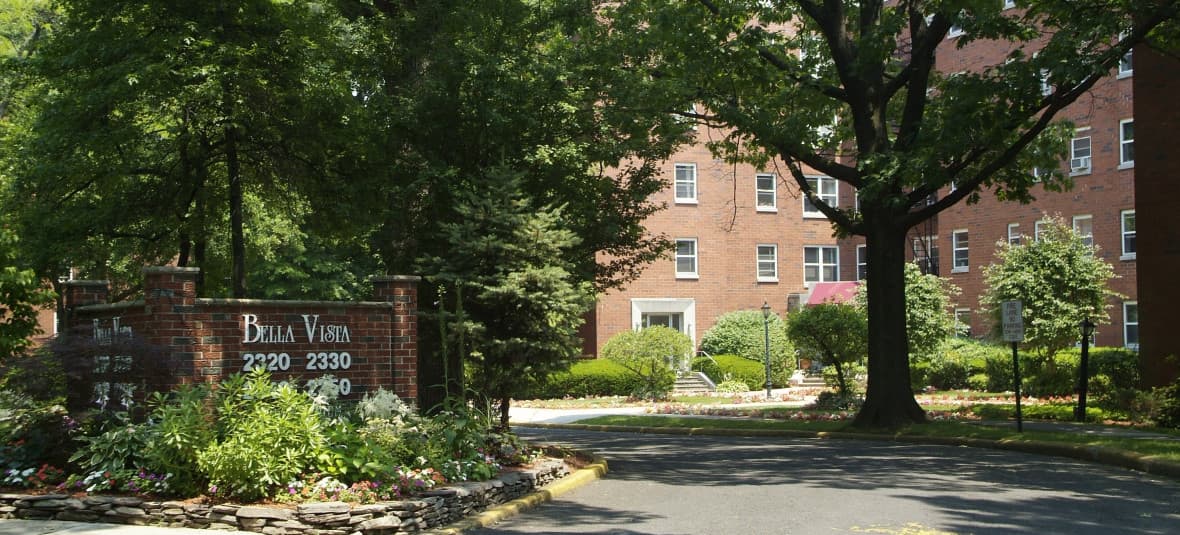
Bella Vista Condominiums in Fort Lee (166 units, closed 2003) and Imperial House, also in Fort Lee (54 units, closed 2007). Harbor Towers in West New York (198 units, 2001) and Woodedge Condominiums in Edison (81 units, 2003) round out the rest of our New Jersey portfolio outside Hackensack and Morris Plains. Every one of these is a real, named, closed deal. We can walk your board through any of them if it helps to see how a comparable building's numbers actually worked out.