How many conversions has Hutton completed in California?
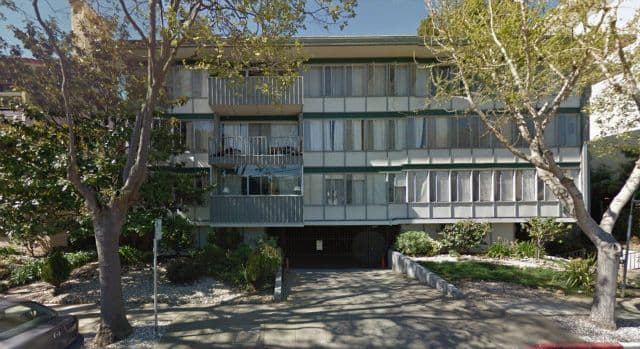
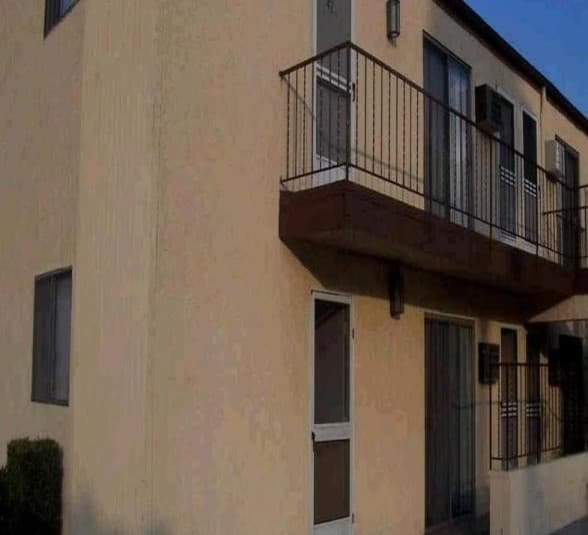
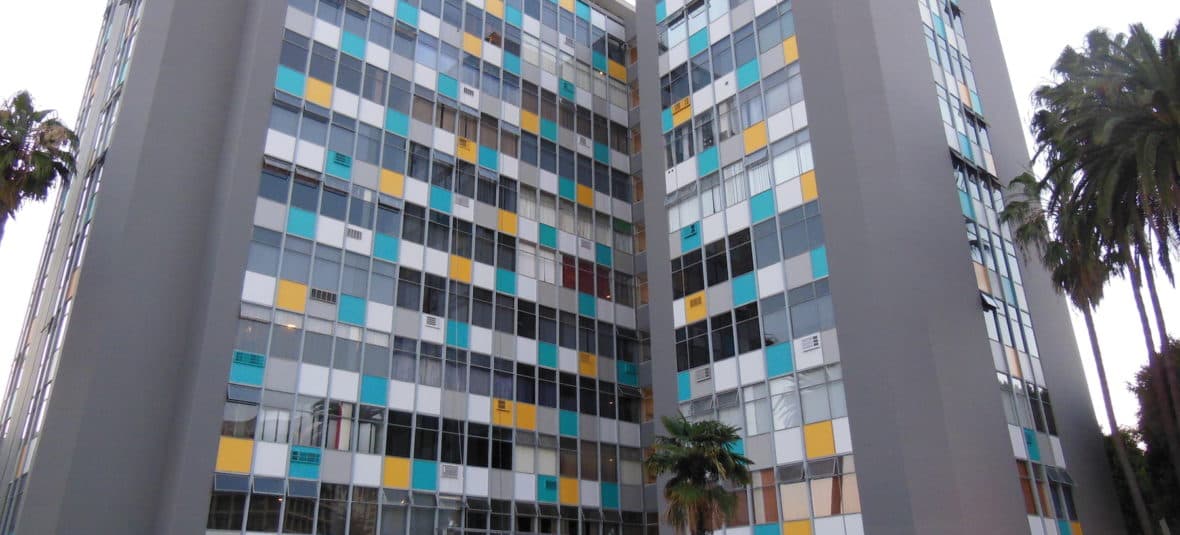
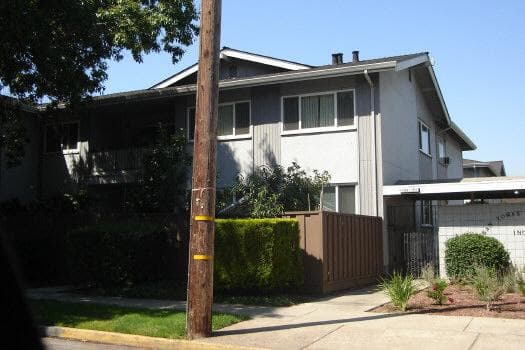
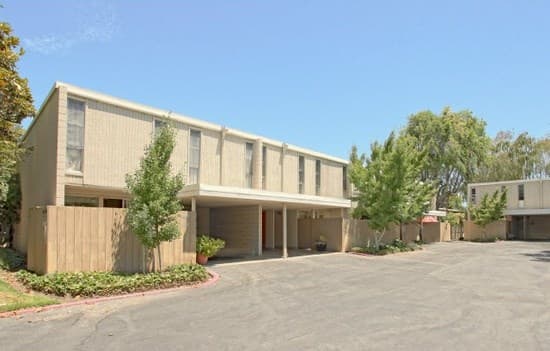
Eleven, totaling 671 units, spanning San Mateo, San Carlos, Visalia, Laguna Beach, San Jose, Santa Clara, Vista, Long Beach, and three buildings in Los Angeles. Royal Palms Condominiums in Long Beach (162 units, closed 2015) is our largest California deal. Twin Pines in Santa Clara (80 units, 2014) and San Tomas Estates in San Jose (96 units, 2007) anchor a Bay Area cluster alongside 808 Laurel in San Mateo. We separately closed Pacific Gardens Townhomes, a 38-unit rental-to-condo conversion in San Mateo (2021), a different transaction type from the eleven co-op/TIC deals above, which we track as its own line.
Does Hutton convert TIC buildings, or only co-ops?
Both, and in California that distinction matters more than the co-op/condo label does. California's Subdivision Map Act and Department of Real Estate public-report process govern most multi-unit ownership conversions here. Because true co-ops are rare in the state, most of what gets converted is TIC: a group of owners holding fractional, undivided interest in a property rather than shares in a corporation. Vista Ladera, our 2017 closing in Vista (40 units), ran on a Conversion Services Agreement structured for that TIC/co-op-hybrid reality rather than a New York-style proprietary lease. We determine which structure applies to your building as part of the feasibility process.
What does a California conversion look like in practice?
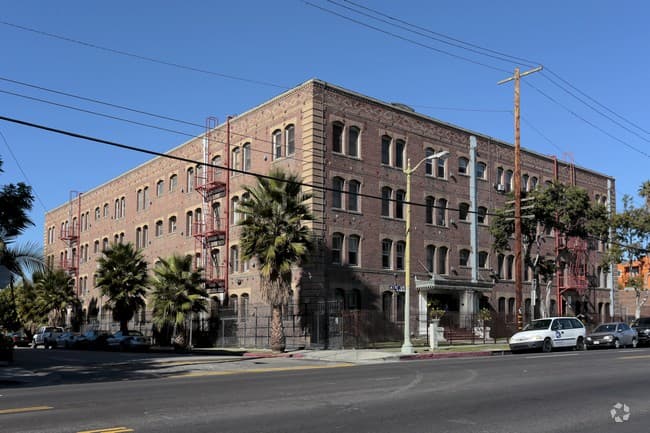
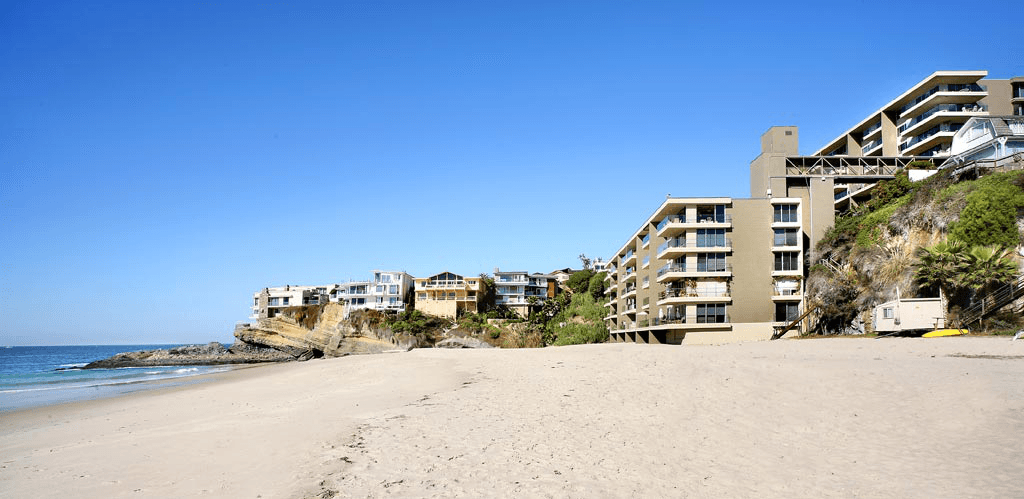
Figueroa Arms Condominiums, a 75-unit building on South Figueroa Street in Los Angeles, went into its conversion with no lender willing to finance units as a cooperative, leaving only all-cash purchases, plus $240,000 in unpaid property taxes that had to be resolved as part of the deal. Conversion refinanced the co-op's existing mortgages and rolled the tax obligation and conversion costs into a single new loan, and gave each unit Proposition 13 property-tax protection as individually deeded real property. It closed in 2016 with values moving from roughly $75,000 to $175,000 per unit and $8 million in funding arranged. Laguna Lido, 48 leased-land units on Coast Highway in Laguna Beach, closed in 2002 with values moving from $450,000 to $1,250,000, with the land purchase itself financed and no owner cash required. We build each conversion around your building's actual ownership documents and unit mix.
Does California regulate conversions differently by city?
Yes. On top of the state Subdivision Map Act, California conversions run through a patchwork of local ordinances: annual conversion caps, tenant-protection requirements, and affordability mitigation fees that vary city by city. Los Angeles alone charges a $1,492-per-unit condo conversion fee under LAMC 12.95.2 (current as of January 2025) to mitigate affordable-housing loss, a real, budgetable line item. We check your city's specific ordinance as part of the feasibility process.
What does the feasibility process look like for a California building?
We start by determining your building's actual ownership structure, TIC or co-op, since that changes which state agency governs the filing. From there we review your governing documents, any existing DRE public report history, and your city's local conversion ordinance before giving your board real numbers. California's review timeline runs differently from New York's or New Jersey's state-agency process, and we build your building's specific timeline around that rather than borrowing a schedule from a different state.