What has Hutton actually closed in Florida?
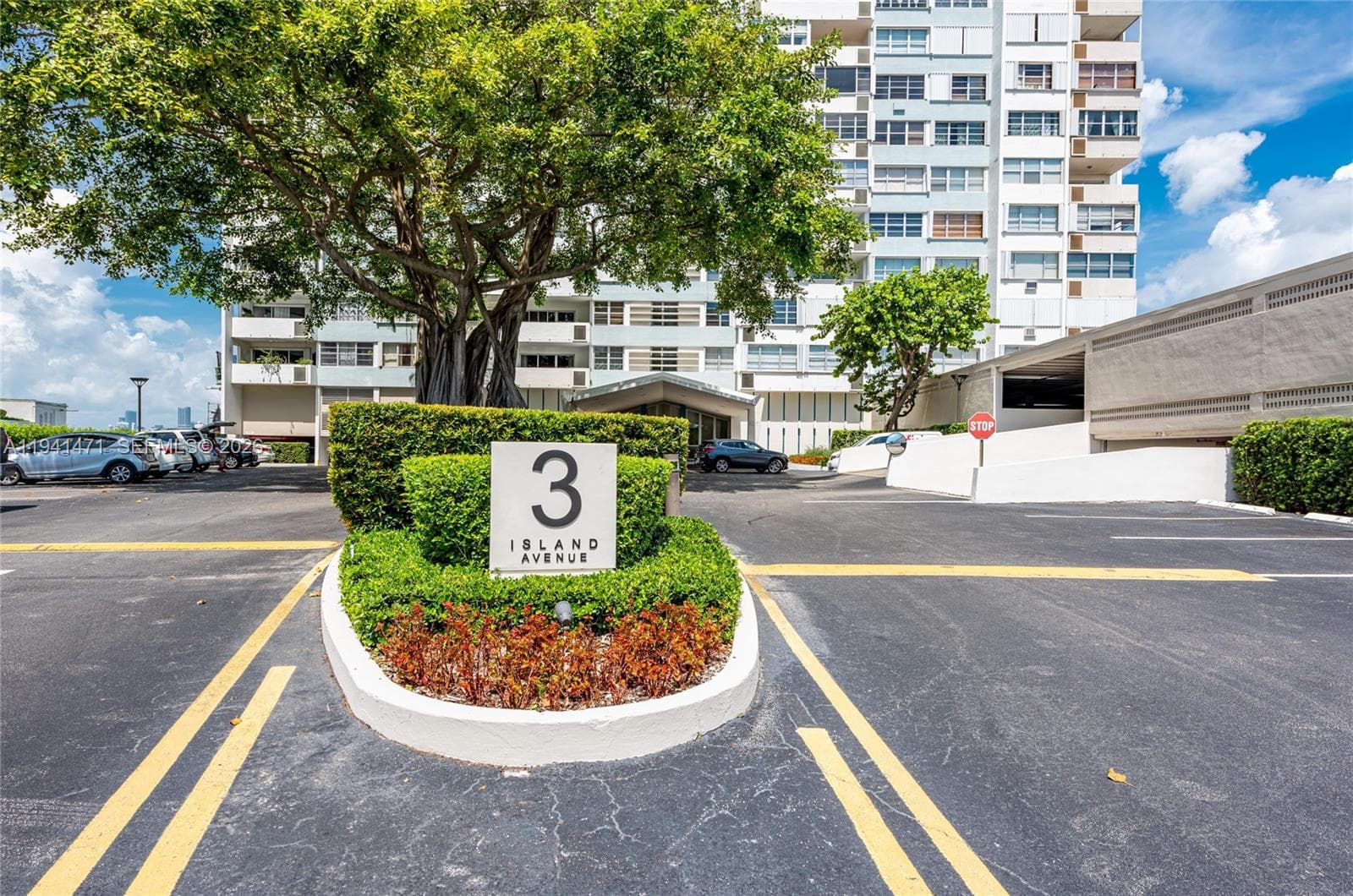
Two conversions, 158 units. Terrace Towers, 144 units at 3 Island Avenue in Miami Beach, closed 2020 with per-unit values moving from $275,000 to $375,000 and $10 million in funding arranged for the conversion. The building went into that conversion with its underlying mortgage coming due and a facade-restoration special assessment the co-op could not finance on its own. Spindle, a 14-unit building in Lake Worth, closed 2007. Both closings are backed by executed agreements and closing documents on file.
Are co-ops common in Florida?
Less common than in the Northeast. The Town of Palm Beach alone has more than 1,200 co-op apartment units, concentrated in older communities built well before Florida's condo boom. Hutton's Florida work has focused on this established co-op stock, the same building type we've converted successfully in New York and New Jersey for more than three decades. If your board is unsure whether your building even qualifies as a candidate, that's exactly what a feasibility study answers.
Does Hutton do rental-to-condo conversions in Florida?
Rental-to-condo is an equal-weight line of business for Hutton nationally, run the same way we run co-op conversions: one point of contact, no upfront cost to the owner, fee due at closing. Our clearest documented rental-to-condo closing to date is Pacific Gardens Townhomes in San Mateo, California (38 units, 2021). We haven't yet closed a rental-to-condo deal in Florida specifically, and we say that directly rather than blur the line between what we've proven in California and what a Florida owner would be the first to test with us.
Why are Florida rental owners converting to condos right now?
SB 4-D, Florida's post-Surfside condo safety law, took effect in 2022 with compliance deadlines running through 2024 and 2025. It requires mandatory milestone structural inspections and structural integrity reserve studies, and it eliminated the reserve waivers many associations used to rely on. For an aging rental building, that means real, unavoidable capital costs. Converting to condo form lets an owner spread those costs across individual unit buyers rather than carrying them alone, and multiple South Florida developers have moved rental buildings toward condo conversion for this reason over the past two years.
How does the filing process work in Florida?
Florida conversion offering plans file through the state's Division of Florida Condominiums, Timeshares, and Mobile Homes (DBPR), a different agency and process from New York's Attorney General review or New Jersey's PRED program. Whether your building is an established co-op or a rental building responding to SB 4-D, we build the DBPR filing requirements and review timeline into the schedule we give your board rather than assuming a process that works elsewhere in the country applies the same way in Florida.
What should a Florida board or owner expect from Hutton?
Whether your building is an established co-op weighing conversion the way Terrace Towers and Spindle's boards once did, or a rental building looking at SB 4-D's capital requirements and considering condo conversion as a response, the starting point is the same: a feasibility study that tells you what your building's numbers actually support before anyone commits to anything.