
FAQ · Costs & Financing

What Happens to My Co-op Share Loan When the Building Converts?

A co-op share loan doesn't carry over as-is when the building converts to condo, it becomes a mortgage on your individual unit. Here's how that transition actually works.

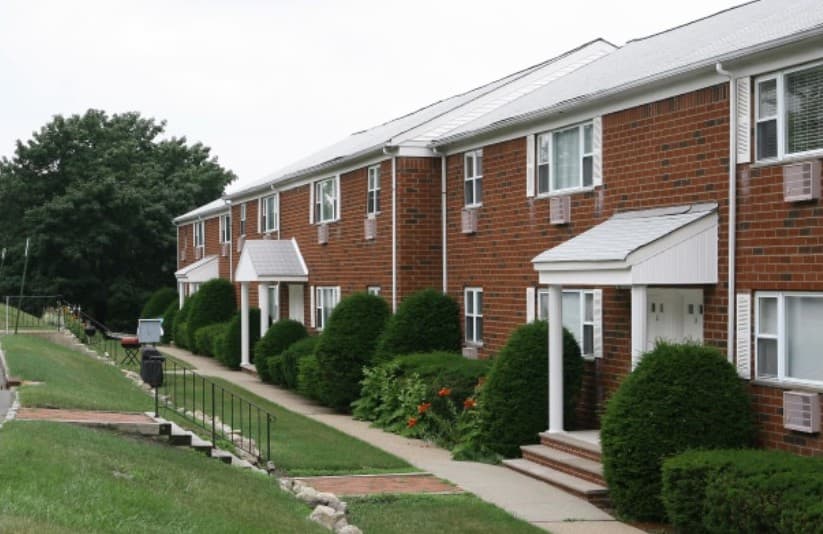
Mountain Club Condominiums residential property
Written by Armand Boyajian, Co-Vice PresidentLast reviewed: September 6, 2026

Does my share loan just become a mortgage automatically?

It gets resolved as part of the conversion closing. In the ordinary case, it's replaced by a mortgage secured directly against your individual unit's new deed. A co-op share loan is secured by your shares in the cooperative corporation and your proprietary lease, not by real property. Because a condo unit is real property with its own deed, a share loan can't attach to it in the same form once the conversion closes.

Will I need to requalify for a new loan?

In most cases, yes. The lender underwriting your new unit-level mortgage is making a new lending decision, even if it's the same lender you had before. This is one of the reasons timeline and terms matter for every shareholder individually, not just for the building as a whole, and it's part of why we look at your building's shareholder financing profile as part of a feasibility study.

What if a shareholder's financing situation makes this hard, like a reverse mortgage?

We've dealt with exactly that. At Mountain Club Condominiums, our largest conversion, several shareholders relied on reverse mortgages that complicated their path to a converted unit's financing. Rather than let that stall those shareholders' closings, Hutton stepped in directly as a lender, interest-free, to bridge the payoff those shareholders needed. That's an unusual step for a firm in our position to take, and we took it because the alternative was leaving real people stuck mid-conversion.

Does converting change what I owe overall?

Converting doesn't erase or inflate your underlying debt by itself. It changes the legal form that debt takes and, in most cases, requires refinancing it into unit-specific terms. What you'll actually owe and what terms you'll get depend on your own credit and financing situation at the time of conversion, a conversation between you and a lender, not something Hutton sets.

Who should a shareholder talk to about this?

Both us and their own lender. We can tell you how the conversion mechanics affect the timing and structure of your financing transition; only a lender can tell you the specific terms you'll qualify for. We coordinate with shareholders' lenders as part of the closing process rather than leaving that step to chance.

Track record on this topic

Mountain Club is our clearest documented example of handling a difficult shareholder-financing situation directly rather than letting it stall a closing. Armand Boyajian, Hutton’s Co-Vice President, has raised and deployed more than $250 million in Manhattan real estate and advised on more than $1.5 billion of acquisitions and capital raises, and handles the financing and lender-coordination side of Hutton’s conversions. If your building has shareholders with complicated financing, reverse mortgages, unusual share-loan terms, or anything out of the ordinary, raise it early in a feasibility study, not after the vote.

See also: What does conversion cost? · How long does conversion take? · New Jersey

Ready to talk specifics?

Turn this into a building-specific conversation

A feasibility study gives your board a real, deal-specific answer, at no cost to start.