
FAQ · Costs & Financing

What Does a Co-op to Condo Conversion Cost?

There's no standard rate card for co-op conversion, every deal is priced on its own numbers. Here's what actually drives cost, and how to get a real figure for your building.

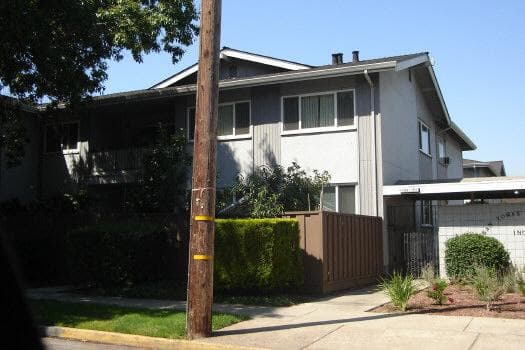
San Tomas Estates residential community
Written by Armand Boyajian, Co-Vice PresidentLast reviewed: September 6, 2026

Is there a set price per unit?

No. Every Hutton conversion is priced on its own deal: building size, unit mix, underlying mortgage structure, and local filing requirements all move the number. We don't publish a rate card, and any number quoted before your building's own numbers are reviewed is a guess, not a quote.

What does "no upfront cost" actually mean, then?

The fee doesn't come due until closing. Hutton covers the pre-closing costs of getting your building to a completed conversion, and the fee is collected at deed delivery, not billed along the way. See our separate page on "No Deed, No Cost" for the full mechanics. The conversion isn't free; it means shareholders and the co-op aren't fronting cash before there's a deed in hand.

Why doesn't Hutton publish a standard rate?

Because the deals genuinely don't look alike. A building with a paid-off underlying mortgage and straightforward governing documents costs less to bring to closing than one with a complicated capital stack or a small, non-standard ownership structure like a tenancy-in-common. Publishing a single number, or even a range, would either understate what a complex building actually costs or overstate what a simple one does. Elm Terrace, our 2020 closing in San Carlos, California, is a documented example: its voting package set out a base conversion fee plus several separate supplemental components, for share-loan handling, trust placement, holdout units, and special circumstances, because those situations don't cost the same to resolve as a straightforward closing does. A feasibility study gives you the real number for your building.

What does the fee cover, and what doesn't it cover?

The fee covers Hutton's work: feasibility review, shareholder education, the offering plan, legal work through closing, and the mechanics of getting your building's deeds recorded. It doesn't cover a shareholder's individual costs, like a new unit-level mortgage, or a municipal conversion fee some cities charge separately (Los Angeles's LAMC 12.95.2 fee is one example). We separate those out clearly in a feasibility study so nothing shows up as a surprise later.

What are AIP and the Group Fund?

They're financing mechanisms for the same per-unit fee, not separate or no-fee programs. If a shareholder uses AIP ("All-in-Plan") or the Group Fund, their share of the conversion fee gets financed through that mechanism instead of paid directly out of pocket at closing. It changes how the fee gets paid, not whether one exists.

So how do I actually find out what my building would pay?

A feasibility study. We look at your building's unit count, mortgage structure, and governing documents, and give you a real, deal-specific number.

Track record on this topic

More than 5,000 units converted, no two buildings priced the same way. Armand Boyajian, Hutton’s Co-Vice President, has raised and deployed more than $250 million in Manhattan real estate and advised on more than $1.5 billion of acquisitions and capital raises, and handles the financing and cost side of every conversion Hutton runs. Ask us for real numbers on your building, there’s no cost to find out.

See also: No Deed, No Cost, explained · How many votes does a co-op need to convert? · How long does conversion take?

Ready to talk specifics?

Turn this into a building-specific conversation

A feasibility study gives your board a real, deal-specific answer, at no cost to start.