
FAQ · Florida

40-Year Recertification, Milestone Inspections and SIRS: What Florida Boards Do When Reserves Fall Short

Florida's post-Surfside rules turned deferred maintenance into funded maintenance that can no longer be waived. If your building has the number and cannot fund it, here are the options a board actually has.

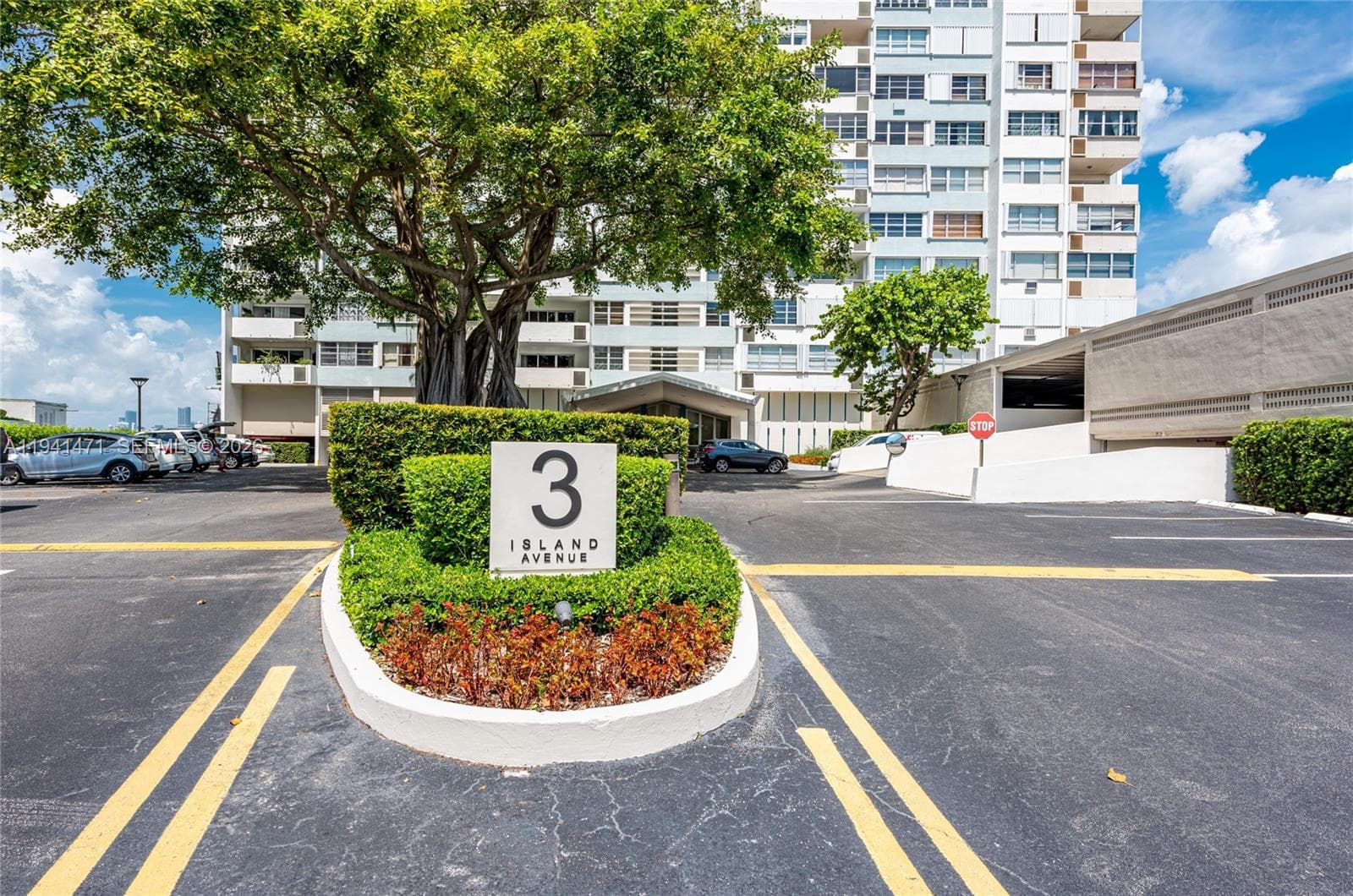
Terrace Towers residential property in Miami Beach
Written by Jack Boyajian, PresidentLast reviewed: September 6, 2026

Most of what is written about Florida’s building-safety rules explains what the requirements are and who performs them. This page assumes your building has already been through that. The inspection happened, the reserve study came back, and the number in front of your board is larger than anything the building has set aside. That is a different problem, and almost nobody writes about it.

Hutton does not perform inspections, recertifications or reserve studies. Those are engineering assignments and they belong with a licensed engineer or architect. What follows is about the question that arrives after their report does.

Which requirement are we actually talking about?

Three separate things get run together, and boards are often working from the wrong one. Local recertification is a county or municipal program, oldest and best established in Miami-Dade and Broward. Miami-Dade requires a structural and electrical recertification inspection at a set building age and at intervals after that, with buildings constructed from 1993 onward reaching the threshold at 30 years rather than 40. It is administered locally, so the trigger age and the filing process depend on your jurisdiction. Milestone inspections are the statewide requirement introduced after Surfside. They apply on building age and are separate from whatever your county already required. A structural integrity reserve study, or SIRS, is not an inspection at all. It is a funding exercise. It establishes what the building's structural components will cost over their remaining life and what the association must therefore reserve. The first two tell you what is wrong. The third tells you what you must now fund, and it is the one that has changed the arithmetic for older buildings.

Why did this become a funding problem rather than a repair problem?

Because the reserve waiver went away. For years, Florida associations could vote to waive or reduce reserve funding. Many did, routinely, and it kept assessments down. The post-Surfside changes removed that option for the structural components a SIRS covers. Money that boards had deferred by vote is now money that must be collected. That converts a long-running maintenance backlog into a present, non-optional funding obligation. For a building with healthy reserves it is an accounting change. For an older building that waived reserves for a decade or more, it is a bill arriving all at once, and it arrives at the same time as the repair scope from the inspections.

What options does a board actually have?

There are four, and most boards work through them in this order. A special assessment is fastest and most common, but it lands hardest on the owners least able to absorb it, which in older Florida buildings is frequently a substantial share of them. A bank loan to the association spreads the cost over time and converts it into a maintenance increase, though availability depends on the building's financials, its reserve position and its ownership structure; co-ops in particular can find this harder than boards expect. Deferral is increasingly not available, since the requirements carry deadlines and the reserve obligation is no longer waivable by vote. And a change to the building's ownership structure is the option most boards do not know they have, and it is the one Hutton works on: converting a co-op to condominium ownership changes what each owner holds, what they can borrow against it, and what the building can do with its own balance sheet. In the right building it changes the range of what is fundable. In the wrong building it does not, and a feasibility study is how you find out which one you have.

Does conversion actually pay for repairs?

Not directly, and it is worth stating precisely. Conversion does not generate a cheque that covers a structural scope. What it changes is the financing position. Condominium owners hold real property with a deed, which is financeable on ordinary mortgage terms in a way co-op shares often are not. That affects what individual owners can raise, what the building can raise, and what unit values support. Hutton's model is built so that the conversion process itself does not require the co-op or its shareholders to fund it out of pocket. That matters most for exactly the building described on this page, because a board that has no money for repairs also has no money for a process that demands payment up front. Whether the resulting position closes your specific gap depends on the building's numbers. That is a question with an actual answer, and it is answerable before anyone commits to anything.

Is a Florida co-op that converts itself treated as a developer?

This is a real question with a statutory answer, and it is worth raising with counsel early because boards routinely assume the answer is yes. Florida's conversion provisions sit at Part VI of Chapter 718, "Conversions to Condominium," sections 718.604 through 718.622. Much of that machinery is written for a developer converting a rental property and offering units to the public. Florida's definition of "developer" at section 718.103(17) expressly excludes: "A cooperative association that creates a condominium by conversion of an existing residential cooperative after control of the association has been transferred to the unit owners if, following the conversion, the unit owners are the same persons who were unit owners of the cooperative and no units are offered for sale or lease to the public as part of the plan of conversion." A related carve-out appears in the statute's leasehold provisions for residential cooperatives created before 1 January 1977 and converted by their own unit owners on the same terms. What that means for your building is a question for your attorney, and the conditions in that language are doing real work: control must already have passed to the unit owners, the owners after conversion must be the same people, and no units may be offered to the public as part of the plan. A board should establish where it sits against those conditions before it assumes which set of obligations applies to it.

What should a board do first?

Get the two numbers, in this order. The engineering number is what the inspections found and what the SIRS says must be reserved. Your engineer produces this and nobody should be planning around an estimate of it. The funding number is what the building can actually raise, from whom, and on what terms. This is where boards stall, because it depends on the ownership structure rather than on the building's condition. A board holding both numbers can weigh an assessment against a loan against a structural change with real figures. A board holding only the first is choosing between options it has not priced. The order matters, because the deadlines do not move and a board that starts late has fewer choices, not cheaper ones.

Track record on this topic

Hutton has completed two Florida conversions, Terrace Towers in Miami Beach and Spindle in Lake Worth, 158 units between them, both co-op to condominium. Terrace Towers converted in 2020 with per-unit values moving from $275,000 to $375,000 and $10 million in funding arranged, itself a building that went into conversion with a maturing underlying mortgage and a facade-restoration special assessment it could not finance alone. Hutton’s model is built so a co-op and its shareholders do not fund the conversion process out of pocket, which is the whole point for a building that is already short. If a recertification, milestone inspection or reserve study is what put this question in front of your board, bring the engineer’s numbers and we will tell you what they support.

See also: Florida · Florida's SB 4-D and why it's driving conversions · Terrace Towers · How the conversion process works

Ready to talk specifics?

Turn this into a building-specific conversation

A feasibility study gives your board a real, deal-specific answer, at no cost to start.