
FAQ · Tax & Legal

Florida's SB 4-D and Why It's Driving Condo Conversions

Florida's post-Surfside safety law is forcing older buildings into real structural costs. Here's what SB 4-D actually requires, and why some owners are converting instead of absorbing it.

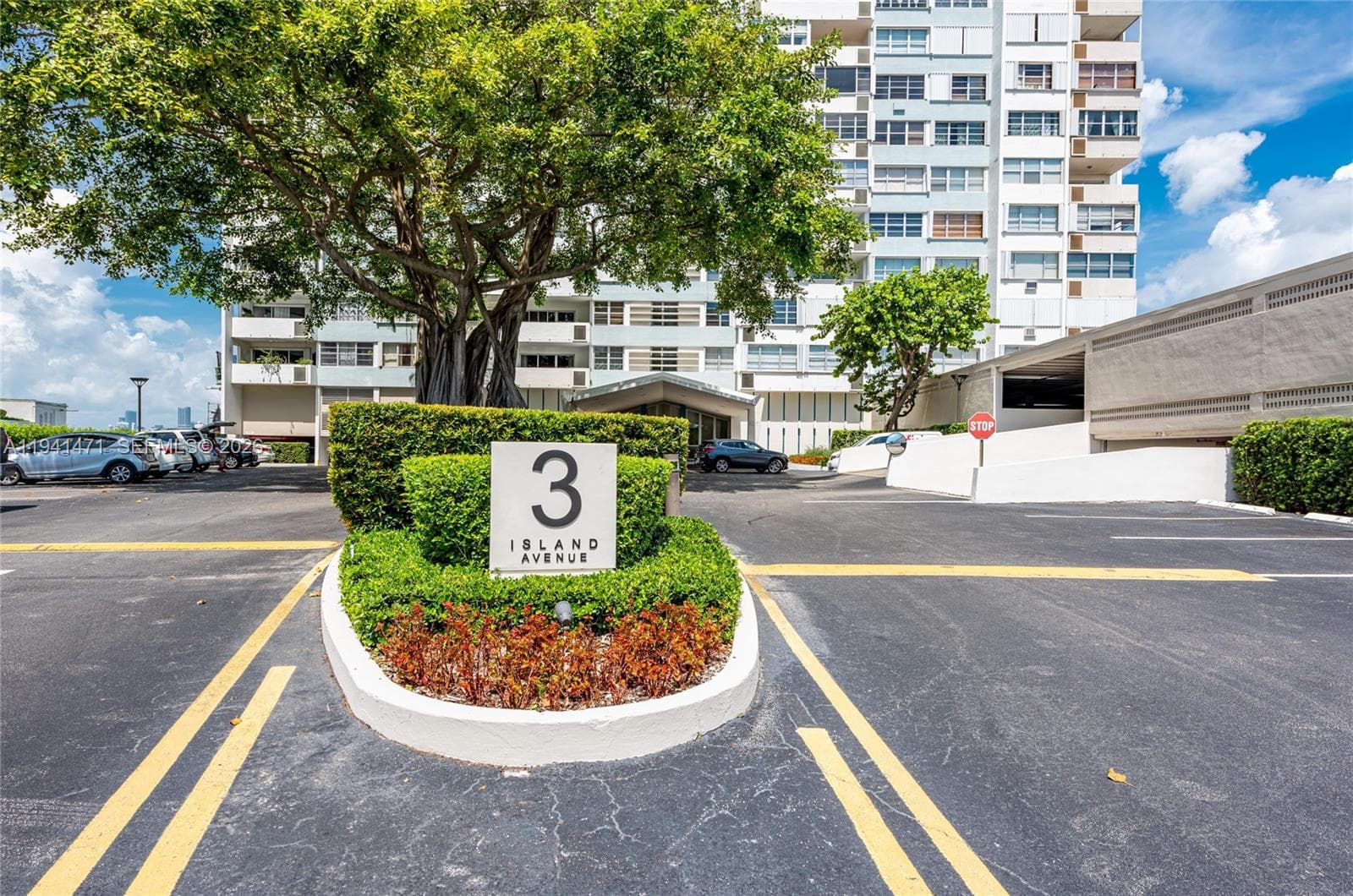
Terrace Towers residential property in Miami Beach
Written by David Boyajian, Vice PresidentReviewed by Jack Boyajian, PresidentLast reviewed: September 6, 2026

What is SB 4-D?

SB 4-D is Florida's post-Surfside condominium safety law, enacted in May 2022, with compliance deadlines running through 2024 and 2025. It amended Florida's condominium statutes (Chapters 718 and 719) to require milestone structural inspections at set building-age intervals and structural integrity reserve studies for condo and co-op associations statewide, and it eliminated the reserve waivers many associations had previously used to avoid fully funding their reserve accounts.

Why is this pushing owners toward conversion?

Because the law creates real, mandatory capital costs that didn't exist before it passed. A rental building's owner facing milestone inspection findings and mandatory reserve funding is looking at a capital bill with no way to spread it across multiple owners; one entity carries the whole cost. Converting to condo form lets that cost spread across individual unit buyers instead. Multiple South Florida developers have moved rental buildings toward condo conversion specifically citing SB 4-D compliance costs and rising insurance pressure over the past two to three years.

Is this trend going to last?

That's genuinely unresolved. The current wave of SB 4-D-driven conversion activity is tied to a specific compliance deadline window. Whether conversion activity continues once that wave of buildings has worked through their inspection and reserve obligations is an open question in the reporting we've reviewed, not a settled trend.

Does SB 4-D apply to co-ops as well as condos?

Yes. The milestone inspection and structural integrity reserve study requirements apply to co-op associations under Chapter 719 in parallel with the condo requirements under Chapter 718. A Florida co-op board facing these requirements is looking at the same underlying cost pressure a condo association is, relevant context even for a board not currently considering conversion.

What should a Florida owner or board actually do about this?

Start by getting a clear picture of your building's specific milestone-inspection and reserve-study obligations, which is a structural-engineering and compliance question for your engineer. Then bring those numbers to us. Working out whether conversion covers that cost, and what it would mean for your owners, is exactly what our feasibility study does, and there is no cost to find out. Boards that wait until the compliance bill lands have fewer options than boards that run the numbers early.

Track record on this topic

Hutton has completed two Florida conversions, Terrace Towers in Miami Beach and Spindle in Lake Worth, both co-op-to-condo rather than the rental-to-condo transactions currently driving Florida’s SB 4-D-related conversion wave. David Boyajian, Hutton’s Vice President, has directly overseen the conversion of more than 1,000 units from co-op to condominium and has closed more than $250 million in condominium loans. If SB 4-D compliance costs are what’s driving your interest in conversion, bring us your building’s actual inspection and reserve numbers. That’s what a real feasibility conversation needs to start from.

See also: Florida · What does conversion cost? · No Deed, No Cost, explained

Ready to talk specifics?

Turn this into a building-specific conversation

A feasibility study gives your board a real, deal-specific answer, at no cost to start.