
FAQ · Ownership Structure

What Is a "Condop," and Is It the Same as Converting to a Condo?

A condop is a co-op with condo-like rules layered on top; the shares never become a deed. Here's the actual difference.

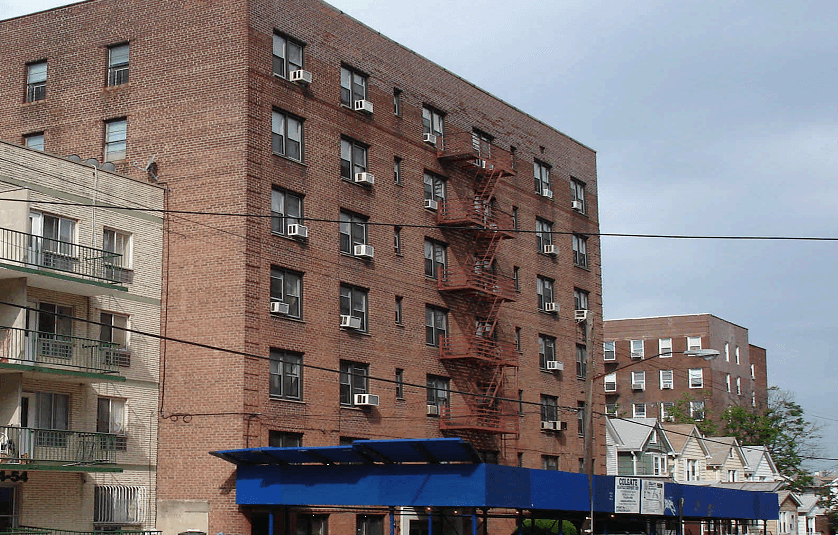
Delmar Condominiums residential property in Queens
Written by Jack Boyajian, PresidentLast reviewed: September 6, 2026

What exactly is a condop?

A condop is a cooperative building, usually one where a commercial or retail portion of the building was legally separated into a condominium structure decades ago, where the residential co-op operates under rules that look and feel more like a condo's, particularly around subletting and financing flexibility. It's most common in New York City buildings built with ground-floor commercial space. Underneath the more flexible rules, a condop residential unit is still co-op shares and a proprietary lease. Nothing about your ownership interest changes into a deed.

So is a condop a kind of conversion?

No, and this is the source of most of the confusion. A condop is a structural workaround baked into the original construction or a later legal restructuring. Residential shareholders still hold co-op shares and a proprietary lease; no deed changes hands. If your building is already a condop, you own shares in a corporation that happens to run under condo-like house rules.

Why does the difference actually matter to a shareholder?

Because the things that make a full condo conversion valuable, a deeded unit that's easier to finance on standard terms, generally stronger resale value, no board approval process for a sale or sublet, aren't things a condop structure delivers. A condop can ease some of the friction of co-op ownership without touching the underlying legal form. If what you want is a deed in your name, a full conversion is what gets you there.

Does Hutton do condop conversions?

No. Hutton runs full conversions: the transaction that dissolves an existing cooperative corporation into individually deeded condominium units for every shareholder who converts. We don't build or convert buildings into a condop structure, because that structure doesn't get shareholders to a deed.

How do I find out which one my building actually is?

Check your building's governing documents, or ask us. If your proprietary lease references shares and a co-op corporation, you're in a co-op or a condop, regardless of what the building's marketing materials or informal reputation call it. That distinction is exactly what a feasibility study clarifies up front.

Track record on this topic

Hutton has converted more than 5,000 units from co-op to condominium and has never run a condop restructuring. Full conversion, resulting in a deed, is the only version of this transaction we run. Jack Boyajian, Hutton’s President, has led Hutton’s conversion practice since 1992 and reviews what a building actually is before anything else starts. If you’re not sure whether your building is a co-op, a condop, or already partway toward something else, ask us. It’s a fast question to answer.

See also: What does conversion cost? · How many votes does a co-op need to convert? · Co-op to condo conversion process

Ready to talk specifics?

Turn this into a building-specific conversation

A feasibility study gives your board a real, deal-specific answer, at no cost to start.