
FAQ · The Vote

What Happens If a Shareholder Doesn't Want to Convert?

Once a co-op clears its conversion vote, holdout shareholders don't get to block the building, but they do have real options. Here's how Hutton has actually handled it.

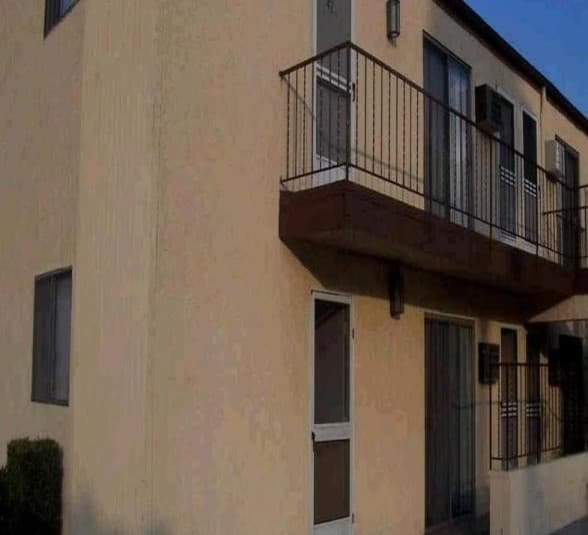
Glenview Condominiums residential property
Written by Jack Boyajian, PresidentLast reviewed: September 6, 2026

Can one shareholder block a conversion the rest of the building approved?

No. Once a conversion clears the vote threshold that applies to your building, set by its governing documents and by your state's law, and most often two-thirds, share-weighted, the conversion proceeds for the building as a whole. A shareholder who voted no, or didn't vote, doesn't get an individual veto once that threshold is met. What they do have is a set of real options for how their own unit gets handled through the process, worth understanding before the vote, not after.

What actually happens to a holdout unit?

It still converts, but the mechanics for that specific shareholder can look different from a participating one. At Vista Ladera Association in Vista, CA, our documented fee structure built in a specific holdout provision: an administrative charge secured by a lien on the unit, financed over time, on top of the standard per-unit conversion cost. It's a standard financing mechanism for handling a unit whose owner didn't pay in step with everyone else, while still moving the building to a completed conversion.

Does a holdout eventually have to resolve, or can it drag on indefinitely?

In our experience, it resolves, sometimes later than the rest of the building. At Glenview Condominiums in Los Angeles, at least one unit closed well after the rest of the building had converted. The building still converted on schedule for everyone else; that one unit simply took longer to reach its own closing.

Should a shareholder who's on the fence vote no just to see what happens?

That's a real question worth answering directly. Voting no doesn't preserve the option to convert later on the same terms; it just means that shareholder's unit gets handled through whatever holdout mechanism the building's conversion plan sets up, on a timeline that's no longer theirs to control. Shareholders who engage with the feasibility numbers and the conversion terms before the vote end up with real say in how their own unit is handled.

What should a board tell shareholders considering holding out?

That conversion happens regardless, and that engaging early gets them a better outcome than waiting. A board that treats holdout questions honestly, with real numbers instead of vague reassurance, tends to see fewer holdouts in the first place. That's part of what a shareholder education process is for.

Track record on this topic

Every Hutton conversion that has cleared its vote has closed, including for holdout units, on documented terms, at buildings like Vista Ladera and Glenview. Jack Boyajian, Hutton’s President, has led Hutton’s conversion practice since 1992 and runs shareholder education specifically to get ahead of holdout situations before a vote is called. If your board is worried about holdouts, that’s exactly the kind of question to bring to a feasibility study.

See also: How many votes does a co-op need to convert? · What does conversion cost? · California

Ready to talk specifics?

Turn this into a building-specific conversation

A feasibility study gives your board a real, deal-specific answer, at no cost to start.