
FAQ · The Vote

How Many Votes Does a Co-op Need to Convert to a Condo?

Two-thirds share-weighted is the common floor for a co-op conversion vote, not a universal rule. Your governing documents and your state's law both move the number.

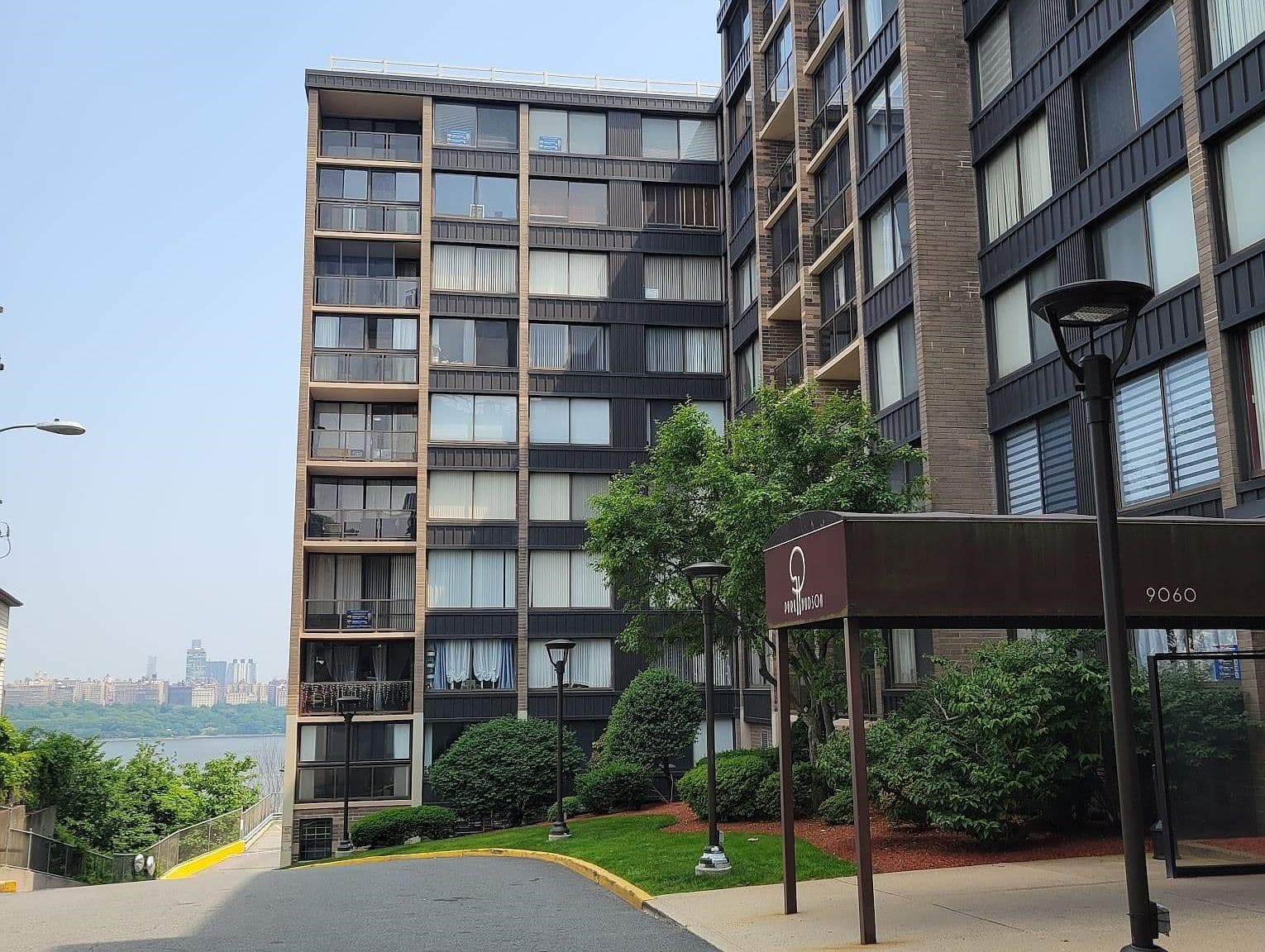
Park Hudson Condominiums residential property
Written by Jack Boyajian, PresidentReviewed by Jack Boyajian, PresidentLast reviewed: September 6, 2026

What percentage of shareholders has to approve a conversion?

Two-thirds, share-weighted, is the most common floor, and it is the figure a board should plan around until it knows otherwise. Treat it as a starting point rather than a rule, because two separate things move it. Your building's own bylaws and proprietary lease can set the bar higher, and some set it lower. Separately, the law of the state you are in varies: the threshold is not uniform across the country, and in some states a lower bar than two-thirds has been enough. Which combination governs your building is one of the first things we establish in a feasibility study. It is worth knowing before a board plans a vote around a number it assumed.

Does an abstention count as a yes or a no?

Under the standard two-thirds share-weighted framework, an abstention counts as a no vote. That matters practically: a board that assumes disengaged shareholders will simply not affect the outcome is miscounting. Getting shareholders to actually cast a vote, not just lean toward one, is part of what a conversion campaign has to do well.

Can the board force a conversion through, or does everyone have to agree?

Neither. The board doesn't have unilateral authority to convert; it takes the shareholder vote described above. Unanimous agreement isn't required either: once the threshold in your governing documents is met, the conversion proceeds, and shareholders who voted against it, or didn't vote, still convert along with everyone else, subject to whatever holdout provisions your documents and state law provide. See our separate FAQ on holdout options if that's your board's specific concern.

What's Hutton's actual experience with conversion votes?

Every conversion we've completed after a shareholder vote has gone on to close. We clear that vote more than 80% of the time through our Conversion Education Process, our own name for the work of making sure shareholders understand what they're voting on before they vote. Park Hudson Condominiums in North Bergen, NJ, 216 units, passed its 2008 conversion vote at 74.1% in favor, comfortably above the two-thirds floor, a margin consistent with what we see across our completed conversions.

Does the threshold change based on what kind of conversion it is?

Yes, in a way most people don't expect. A rental building converting to condominium runs on an offering-plan process with its own thresholds, set by state law and periodically changed by it. An existing co-op converting to condominium runs on the shareholder vote in its own governing documents. Those are different transactions with different rules, so a headline about a lowered threshold may have nothing to do with your building. Which one governs you is the first thing we establish, and it is the first thing worth asking us about.

Track record on this topic

Every Hutton conversion that has cleared its shareholder vote has gone on to close, 100% completion post-vote, across more than 5,000 units converted. We clear the vote itself more than 80% of the time. Jack Boyajian, Hutton’s President, has led Hutton’s conversion practice since 1992 and runs the Conversion Education Process directly with shareholders before any vote is called. If your board doesn’t know its actual threshold yet, from its own documents and from its state, that’s the first thing worth finding out. Ask us and we’ll help you read it.

See also: What does conversion cost? · Holdout options · How long does conversion take? · Co-op to condo conversion process

Ready to talk specifics?

Turn this into a building-specific conversation

A feasibility study gives your board a real, deal-specific answer, at no cost to start.