
FAQ · Costs & Financing

"No Deed, No Cost": What It Actually Means

Hutton doesn't charge a co-op or its shareholders anything upfront. Here's exactly what "No Deed, No Cost" covers, what it doesn't, and how the fee actually gets paid.

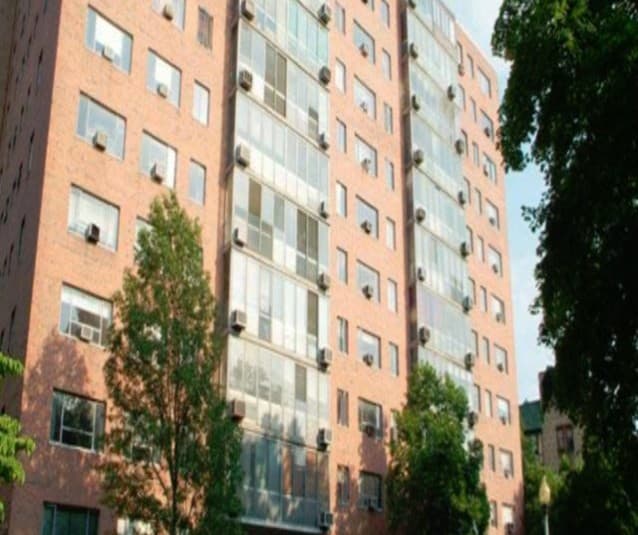
The Frontenac Condominiums
Written by Jack Boyajian, PresidentLast reviewed: September 6, 2026

What does "No Deed, No Cost" mean, precisely?

There's no upfront cost to your co-op or its shareholders to start a conversion. Hutton absorbs the pre-closing costs of getting a building through feasibility, shareholder education, the vote, and offering-plan preparation. Our fee only comes due at the point a deed is actually delivered and recorded. If a conversion doesn't reach a closed deed, your building hasn't paid us for the attempt.

Does that mean the conversion is free?

No. "No Deed, No Cost" describes when you pay, not whether you pay. At closing, a fee is due, negotiated per deal, since there's no standard rate card, and that fee funds the work Hutton put in from feasibility through closing. What the phrase promises is that your board and shareholders aren't fronting cash before there's a real outcome to show for it.

Why structure it this way instead of billing along the way?

Because it aligns our incentive with your building's actual outcome. Hutton only gets paid when a deed closes, so there's no upside in dragging a building through a feasibility study or an offering-plan filing that isn't going to work. That structure keeps our interest and your building's interest pointed the same direction from the start.

What are AIP and the Group Fund, and are they part of this?

They're financing options for paying the same closing-time fee, not separate no-cost programs layered on top of "No Deed, No Cost." If a shareholder uses AIP ("All-in-Plan") or the Group Fund, their portion of the fee gets financed through that mechanism rather than paid in a lump sum at closing. The fee itself is the same fee described above, just spread differently for shareholders who need that.

Is this how every deal in Hutton's history has actually worked?

Yes, structurally, though the specific fee amount and terms vary by deal. Mountain Club Condominiums, our largest conversion at 702 units, closed in 2005; Spindle, a 14-unit building in Lake Worth, FL, closed two years later in 2007, on a different fee amount. Both followed the same pay-at-deed structure this page describes: different numbers, same timing discipline. Elm Terrace, our 2020 closing in San Carlos, California, followed the same structure with a documented base fee plus separate supplemental components for share-loan handling, trust placement, holdouts, and special circumstances, set out in that building's own voting package.

Track record on this topic

More than 5,000 units converted, every one of them following the same rule: nothing due until a deed closes. Jack Boyajian, Hutton’s President, structures the fee terms for every conversion we run. If your board wants to understand what “No Deed, No Cost” would mean for your specific building, a feasibility study is where that gets a real number attached to it, and it doesn’t cost anything to start.

See also: What does conversion cost? · How many votes does a co-op need to convert? · Co-op to condo conversion process

Ready to talk specifics?

Turn this into a building-specific conversation

A feasibility study gives your board a real, deal-specific answer, at no cost to start.