Case Studies · Hackensack, NJ

Co-op to Condo Conversion in Hackensack, NJ

Hackensack is Hutton's deepest single city: five completed conversions, 388 units, more than any other city we've worked in. We closed our first Hackensack deal, Stratford House, in 1999; our most recent, Frontenac, in 2005.

5

Completed conversions

388

Units converted

4

Documented case studies below

1999–2005

Span of Hackensack closings

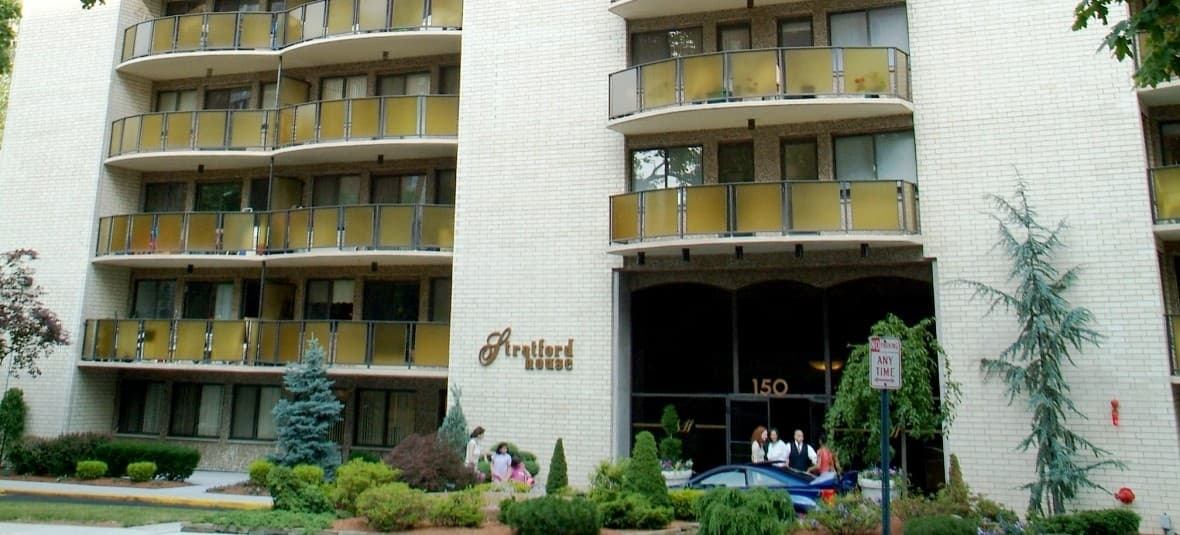
The Stratford House residential property in Hackensack, NJ

Last reviewed: September 6, 2026

How many Hackensack conversions has Hutton closed?

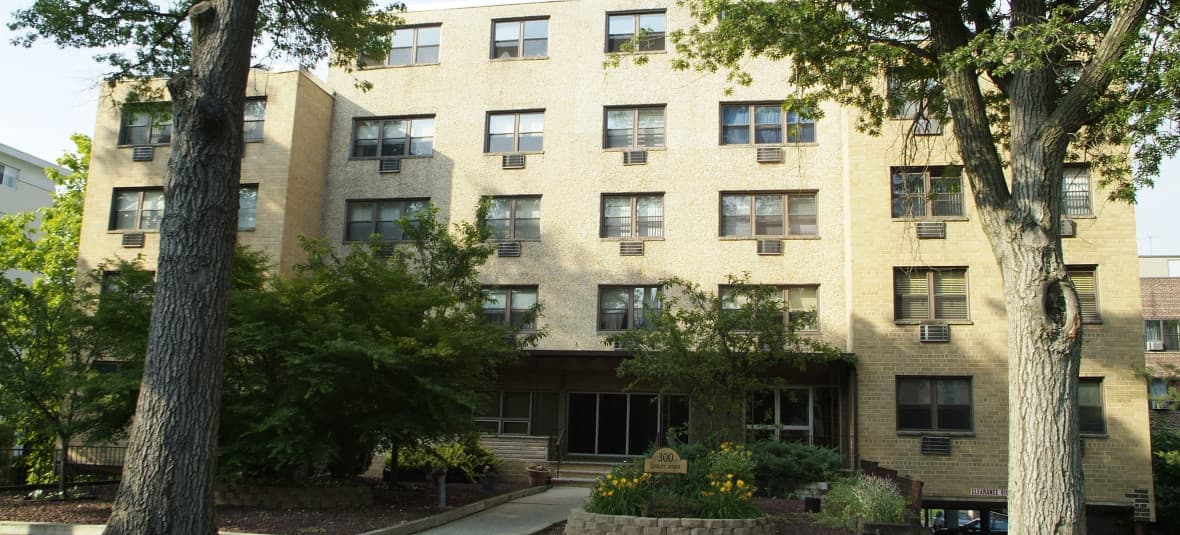
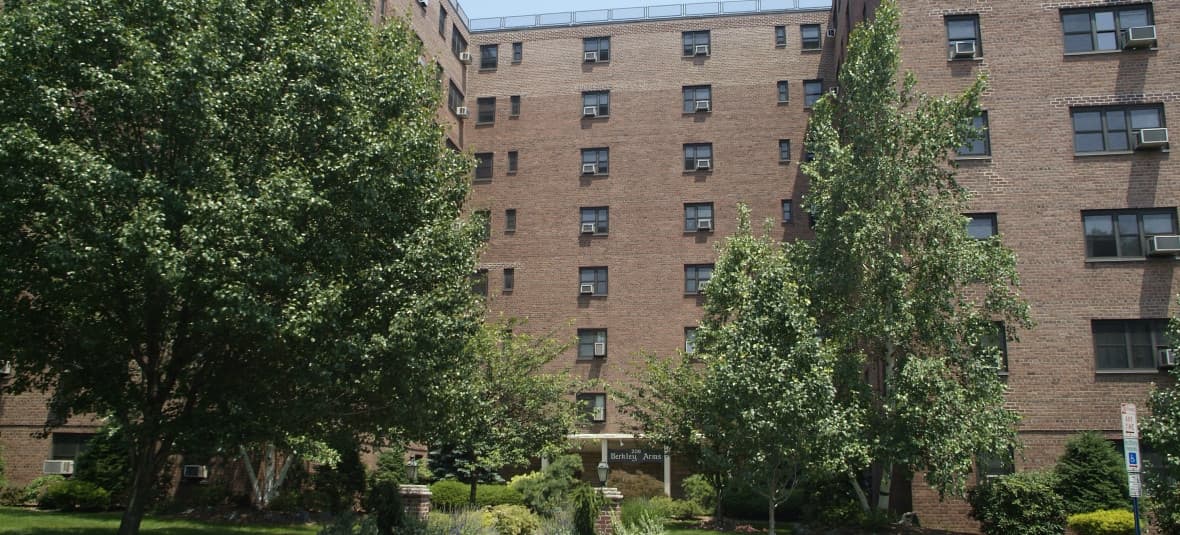
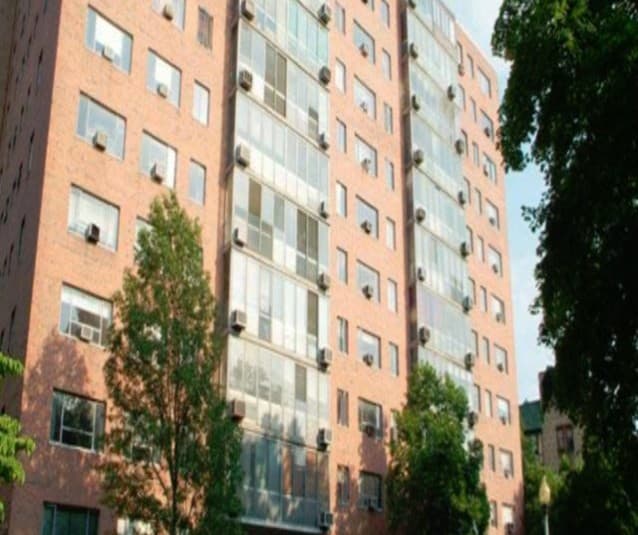
Five: Berkley Arms (120 units, 2002), Hamilton Arms (23 units, 2001), Marilyn Manor (36 units, 2002), The Stratford House (133 units, 1999), and Frontenac (76 units, 2005). That's 388 units total. If your board is considering conversion in Hackensack, there's a real chance we've already worked with a building near yours.
What did these conversions actually involve?

Every one of them had its own complications, which is closer to normal than a clean textbook case. Marilyn Manor's co-op had repossessed 20% of its units pre-conversion due to shareholder defaults before we converted it in 2002. Berkley Arms carried a HUD non-payable underlying mortgage going into its conversion. Stratford House, in 1999, closed at a point where only 4 units had sold in the prior 12 months, hardly a hot market. Hamilton Arms' closing archive includes individual unit closing documents, an Assignment of Proprietary Lease and Stock Interest, named-shareholder Exchange Agreements, board and shareholder conversion resolutions, and a DCA exemption letter, the kind of paper trail a real conversion generates. Frontenac's board president, after closing, put it simply: "Your no-risk, no-upfront-fee program is reason enough..."

Why so much Hackensack activity in one place?

Bergen County generally, and Hackensack specifically, has a real concentration of co-op buildings from the same era of construction that produced comparable clusters elsewhere in North Jersey. Our five closings there are the clearest evidence we can offer that this is a real, working market for us.

What's different about converting in Hackensack versus elsewhere in New Jersey?

Mechanically, little. New Jersey's Planned Real Estate Development Full Disclosure Act (PRED) governs conversion offering plans statewide, so a Hackensack building runs through the same state-level filing process as Bella Vista in Fort Lee or Harbor Towers in West New York. What's different is depth: five closed deals in one city means we know Hackensack's building stock, its common co-op governance patterns, and often the professionals, managing agents, local counsel, who show up again and again on Hackensack boards.

Track record on this topic

5 completed Hackensack conversions, 388 units, closed between 1999 and 2005. Jack Boyajian, Hutton’s President, has personally overseen every one of Hutton’s Hackensack closings; he has led the firm’s conversion practice since 1992 and has converted more than 7,500 units across his career. If your Hackensack board is weighing conversion, we can likely tell you more about your building’s context than a firm working the city for the first time. A feasibility study is the place to start, and it costs nothing to ask.

See also: New Jersey · What does condo conversion cost? · How many votes does a co-op need to convert? · New Jersey conversion law

Ready to talk specifics?

See how a comparable Hackensack building's numbers worked out

A feasibility study gives your board a real, deal-specific answer, at no cost to start.